
Last update
18th Fjord Regatta and 45th Rum Regatta Flensburg 2026
Gaff-rigged sailing ships between storm, community and traditionThe 45th Rum Regatta in Flensburg impressively demonstrated why this gathering has, for decades, been considered the premier spring event for enthusiasts of gaff-rigged sailing ships. Despite adverse weather conditions, organisational challenges, and a shrinking fleet of traditional ships, the spirit of the event remains undiminished - the community of sailors continues to be nurtured and held in high regard.
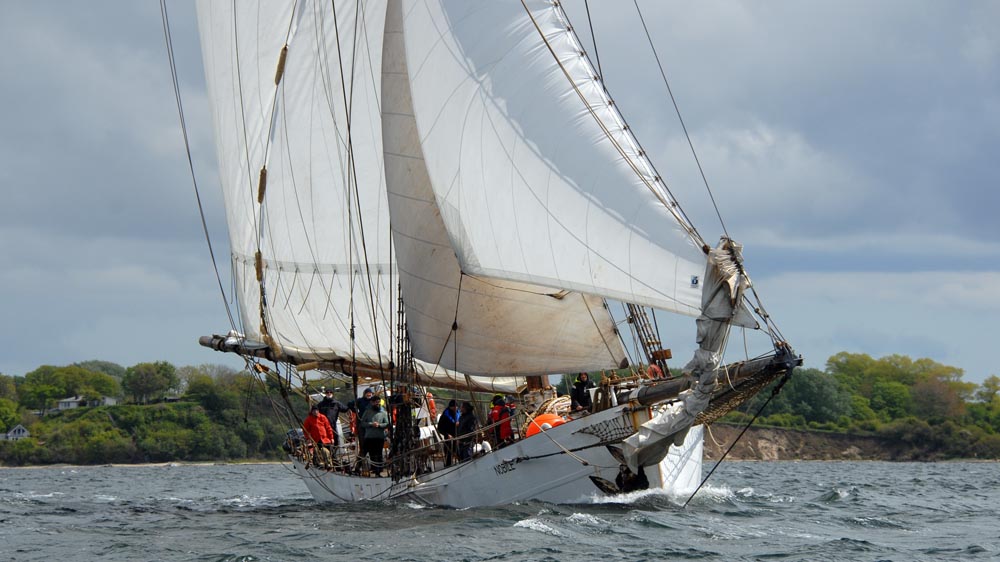
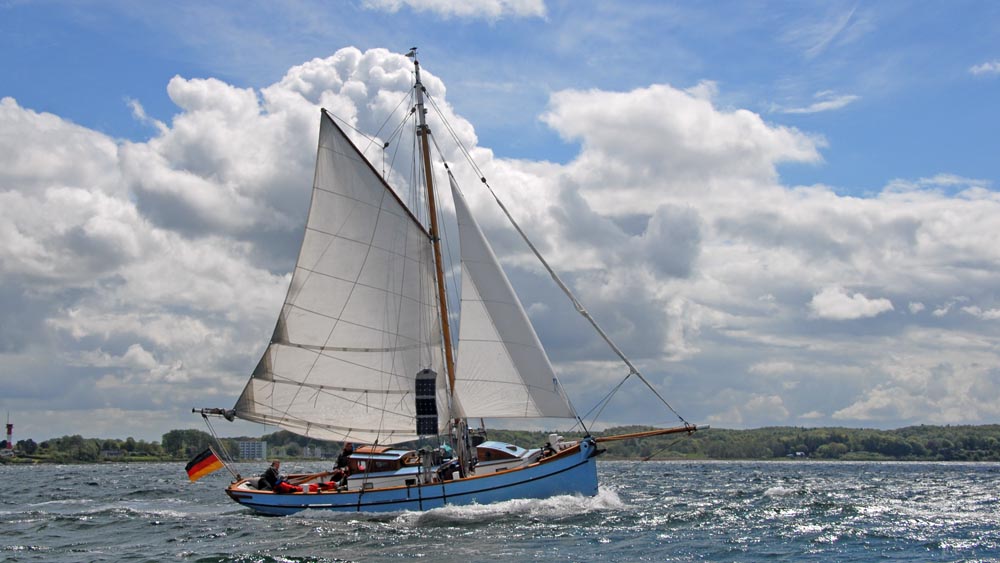
"Lea von Altona"
An event with history – and headwinds
For more than forty years, gaff-rigged sailing vessels have gathered for the Rum Regatta to showcase their ships, reconnect with old friends, meet new ones,
and uphold the traditions of the community. Although the regatta is officially described as a "lighthearted fleet cruise", a sense of sporting ambition
is present - though it is far from being the most important aspect. Above all, the event is dedicated to preserving maritime tradition.
In 2026, the event once again faced unique challenges. For some time, the Flensburg Museum Harbour has been struggling with limited capacity due to the dilapidated
state of its quayside. Could the Museum Harbour still muster the strength to host the gaff-rigged sailing event? How robust and resilient are the existing structures
when it comes to organising an event of this scale? Such concerns, however, appear unfounded, thanks to the umbrella organisation "Historic Harbour" in Flensburg - a
team that has, by now, gained a great deal of experience. Even an obstacle as significant as a crumbling quayside in the heart of the harbour could not halt the event.
While those involved have expressed frustration with the crisis management of the city of Flensburg, they managed to devise an interim solution that proved effective in 2026.
The local magazine "Flensburger Hafenblatt" had previously discussed the possibility of using pontoons; however, as these floating piers have yet to be installed - even
on a temporary basis - visiting vessels have had to moor alongside one another at the Bohlwerk, a wooden wharf construction, or near the scaled-down gaff market at the northern
tip of the harbour. In my opinion, this fragmentation of the fleet is manageable. Furthermore, harbour master Frank Petry took the time to personally direct each arriving
vessel to its assigned mooring spot.
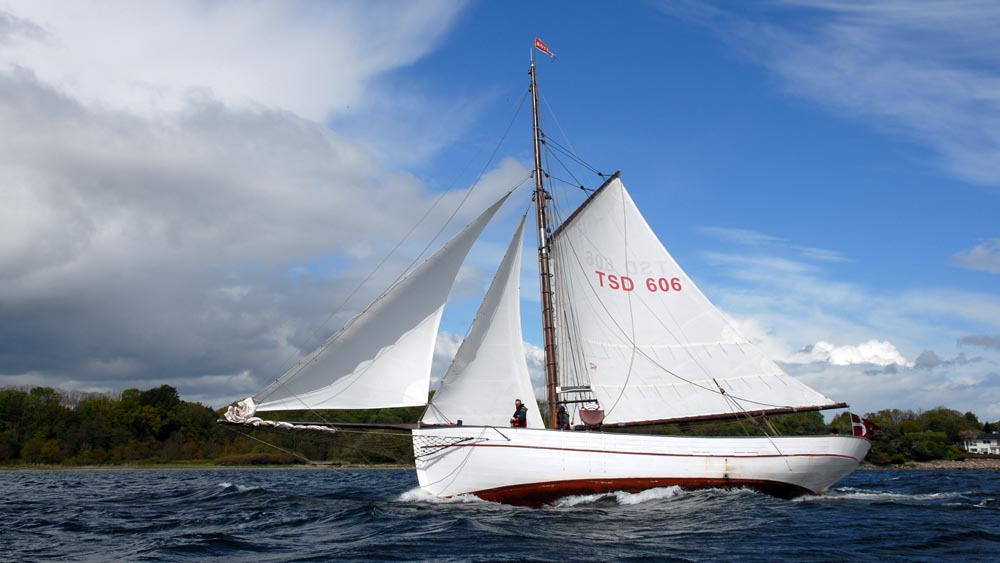
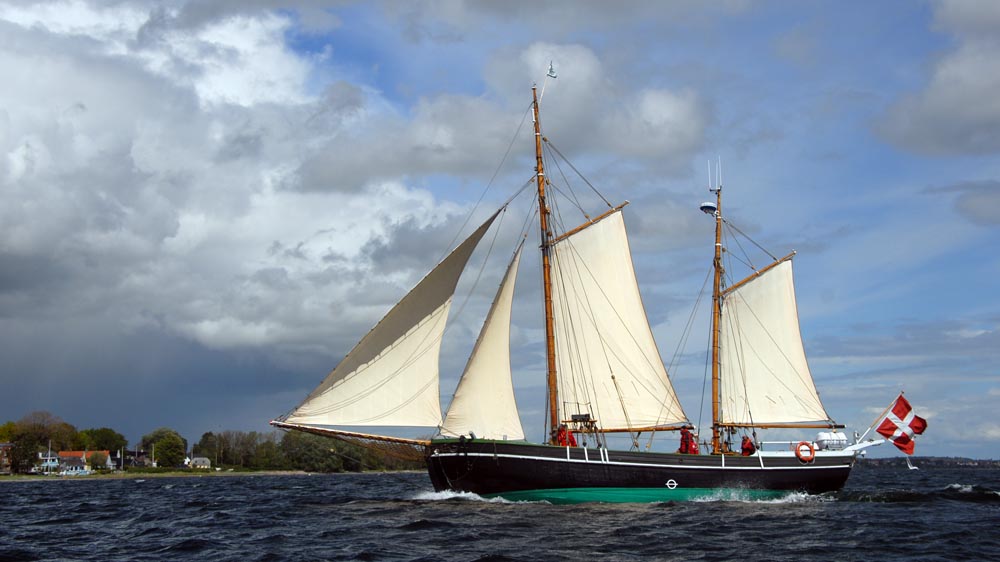
"Bolette", a Danish Hajkutter on the water
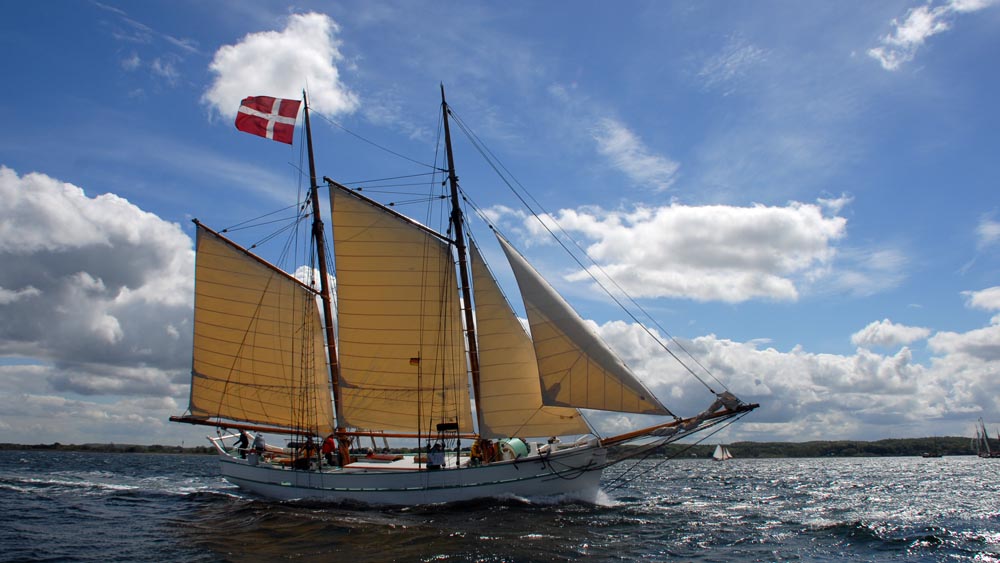
"Karoline Svane", another Danish guest
"Haabet", has often sailed in Flensburg
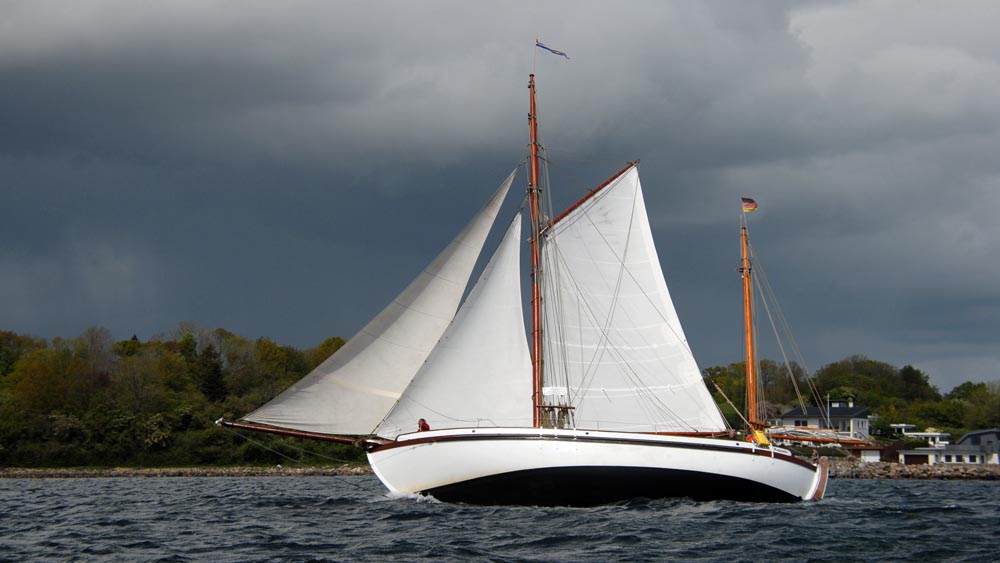
"Rollo", an old friend in Flensburg
The Herring Regatta and Fjord Regatta as a stormy kick-off
Many of the visiting vessels typically take part in the event "Heringstage" (Herring Days) in Kappeln during the long Ascension Day weekend. However, due to budget cuts, this event has been cancelled for 2026. Following a brief gathering in Kappeln, the ships sailed the Herring Regatta to Sønderborg, from where they traveled on together to Flensburg. This year marked the 18th edition of this small Fjord Regatta. The weather conditions, however, proved to be extremely challenging. Just as the vessels reached the northern tip of the Holnis peninsula, a powerful storm gust struck, forcing many to abandon the race - after all, why take unnecessary risks when they were all set to compete in the Rum Regatta the following day?
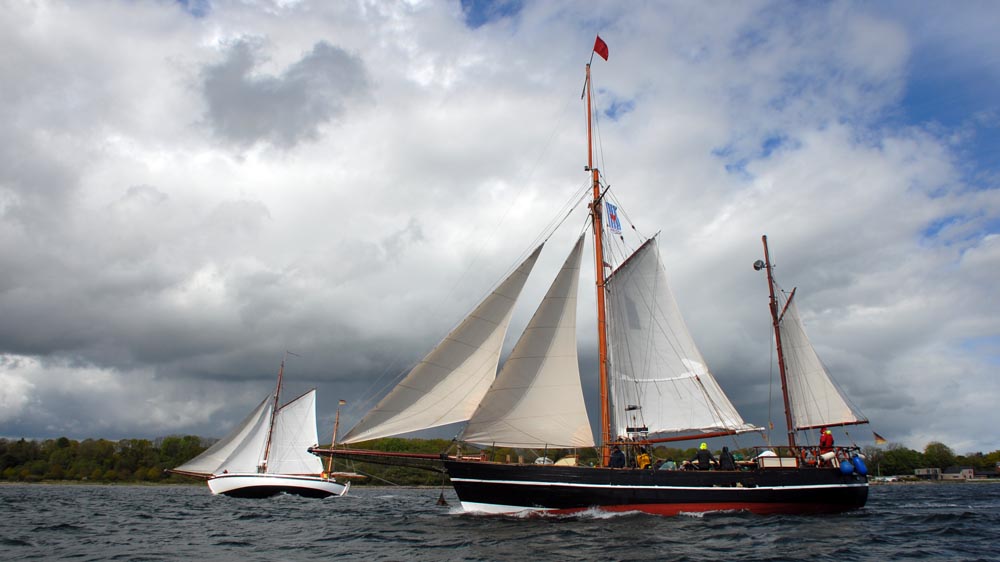
"Rollo" and "Albin Köbis" at the Fjord Regatta 2026
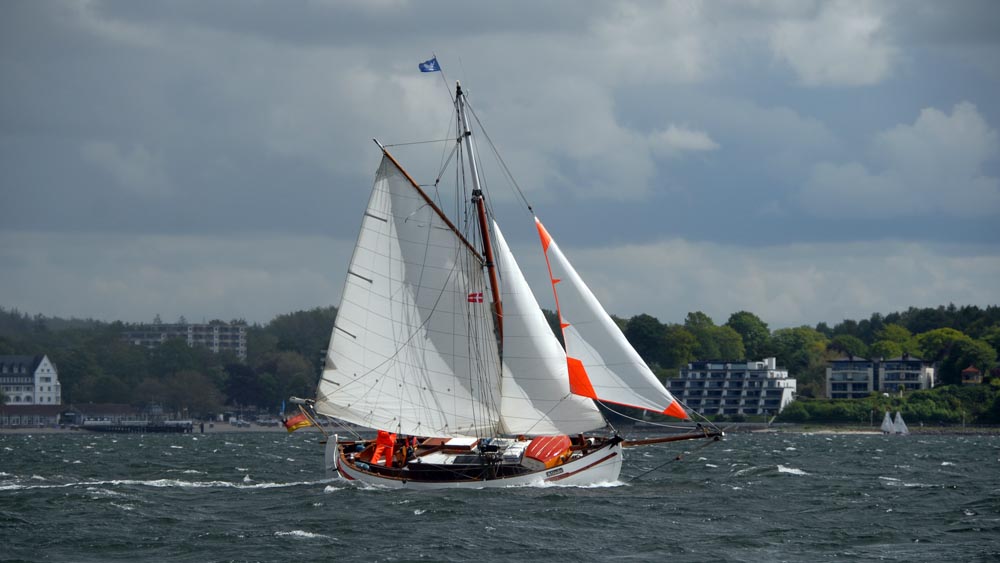
"Aliado" at the Fjord Regatta 2026
A touch of drama in Flensburg harbour, too
In the harbour of Flensburg, where the small-scale fishingboat enthusiasts had gathered for their traditional and highly popular three-event competition, dramatic scenes unfolded that same day. A sudden gust of wind caught the Viking-style boat "Erik Styrimathr" at an inopportune moment. The vessel capsized, prompting a response from the crew of a DLRG (German Life Saving Association) rescue boat. Both the crew and the Viking boat were quickly recovered. No lasting damage occurred, but the incident served as a warning to the other sailors.
A spirit of community on the eve
On Friday evening, arriving guests were welcomed in the courtyard of the Maritime Museum, where the singing of the "Gaff-Rigged Sailors' Anthem" helped foster a sense of community among like-minded enthusiasts. A list was also posted showing the finish times of the vessels that had completed the Fjord Regatta by crossing the finish line under sail. The specific criteria used to determine the winners and those who placed remain the regatta director’s well-kept secret. In a sense, everyone was a winner: despite the weather, they had all managed to reach Flensburg and secure a spot in the harbour. Together, they looked forward to everything that makes the Rum Regatta so popular - a maritime event featuring music, an array of impressive gaff-rigged vessels to admire, displays of sailing and traditional crafts, spirited shop talk and lighthearted gossip, "special prizes" for the winners, and a 3-liter bottle of rum for everyone who took second place.
Regatta saturday: cancellation for the little ones, responsibility for the bigger ones
Unfortunately, the organisers' good rapport with the weather gods was put to the test. Many crew that spent the night on board likely muttered a few curses, as nighttime temperatures dropped not just below 10°C, but even below 5°C. On the Saturday of the regatta, a leaden-gray sky hung over the fjord, and a stiff breeze, already present in the morning, drove sheets of rain across the water. The weather forecast for the day was poor. Consequently, the Rum Regatta was officially cancelled for smaller sailing vessels; the race committee, while expressing regret, also issued a firm reminder to the skippers of larger craft to uphold their responsibility toward their crews and their cherished gaff-rigged vessels. In a completely spontaneous move, crew members from the smaller boats were redistributed among the larger ones - a powerful gesture of solidarity, far more significant than any competitive ranking. While I realised that I wouldn't be able to capture any usable photographs that day, that hardly mattered - what truly counted was ensuring that the participants had a good time and that neither the crews nor the vessels came to any harm.
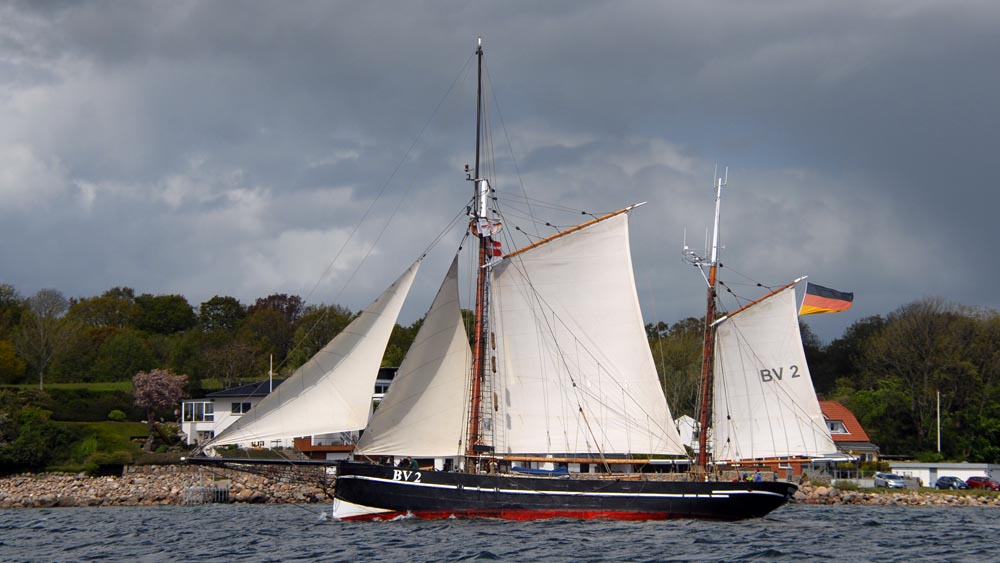
"Vegesack BV2" at the Fjord Regatta 2026
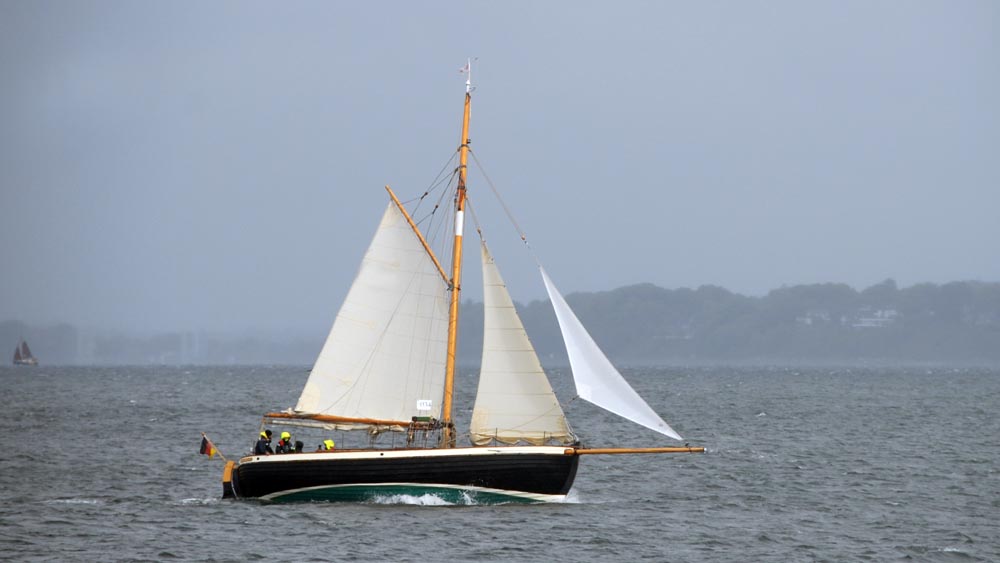
"Homo Faber" sails the Rum Regatta 2026
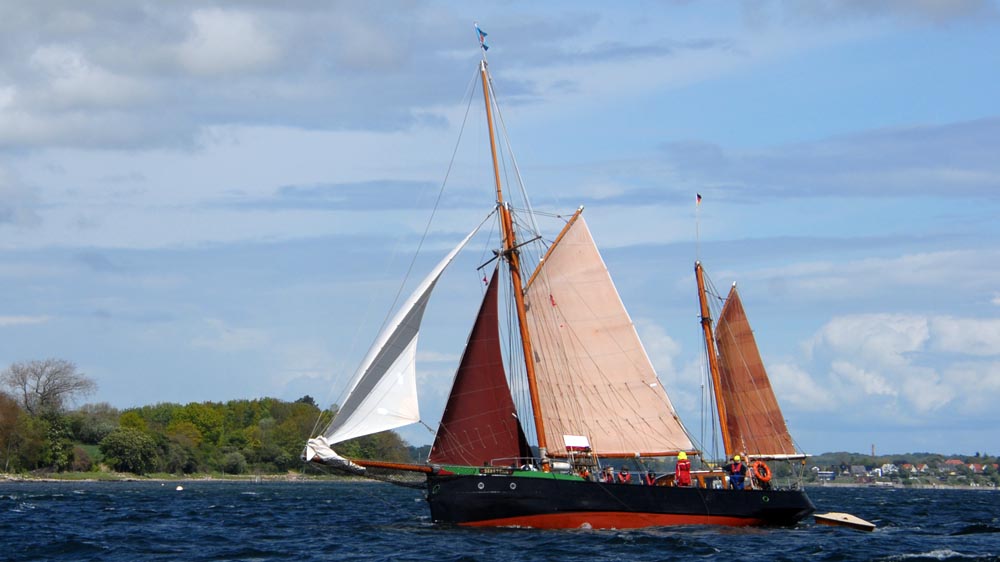
"Seestern" at the Fjord Regatta 2026
Start under difficult conditions
From the starting vessel "Flensburg", the scene was impressive: the fleet of gaff-rigged sailing vessels got underway, but quickly disappeared from view due to the strong westerly wind and the prevailing curtains of rain. It was impossible to follow them for the purpose of taking photographs.
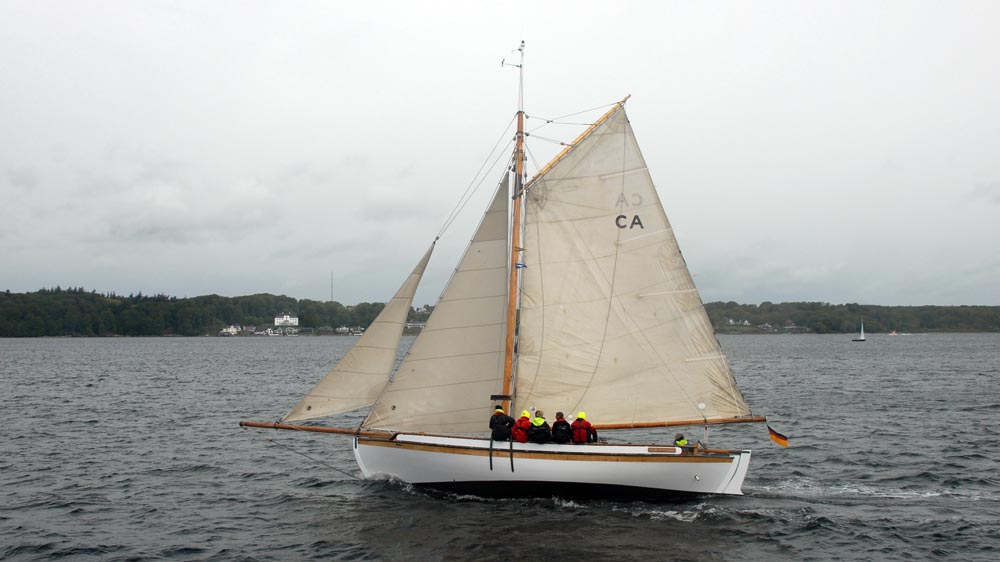
"Penguin Cafe", at the Rum Regatta 2026
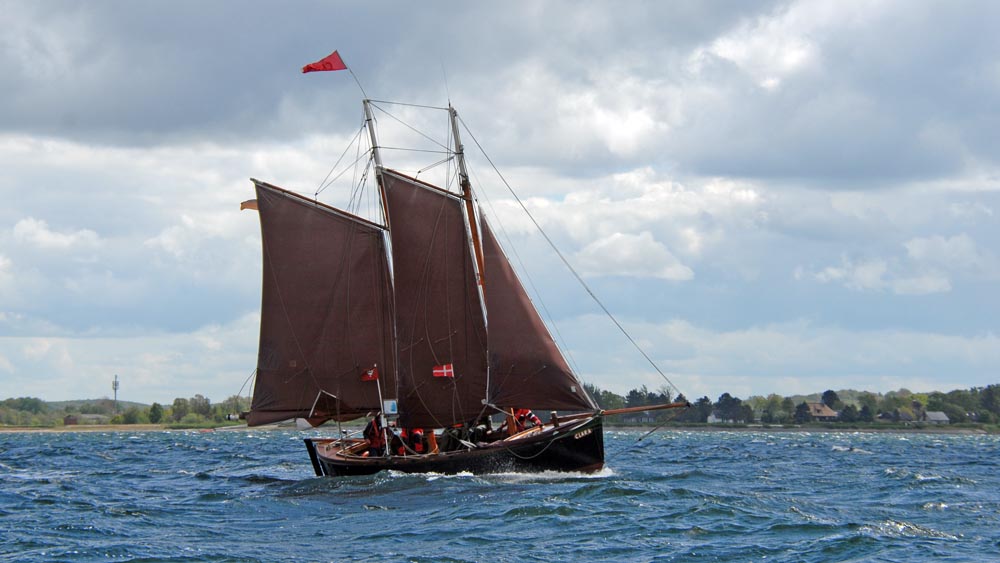
Youth sailing ship "Clara", close-hauled!
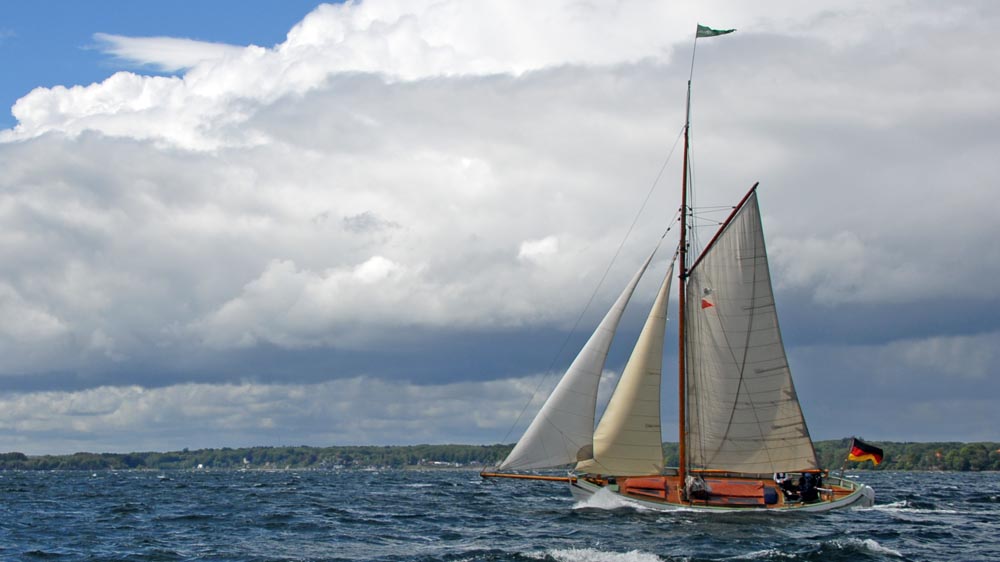
"Hanna", always at the forefront!
Over the radio, we overheard snatches of conversation regarding an operation by the DGzRS (German Maritime Search and Rescue Service), who were on the water with their lifeboat, the "Werner Kuntze". The barge "Maria Merit", acting as an escort vessel, experienced an engine failure due to a "blockage" and had to be towed into the harbour of Glücksburg.
It is truly impressive how both, the DGzRS and the DLRG the day before, looked after those in distress. This was also duly acknowledged during the awarding ceremony that evening.
Many skippers decided to complete the return trip to Flensburg, which would have otherwise required beating against the wind, under engine power, or simply headed straight home to ports,
mostly in Denmark. In the end, only 24 vessels appeared on the finish list, leaving the regatta committee with the task of preparing a prize-giving ceremony that would be dignified,
fair, and, as always, thoroughly entertaining.
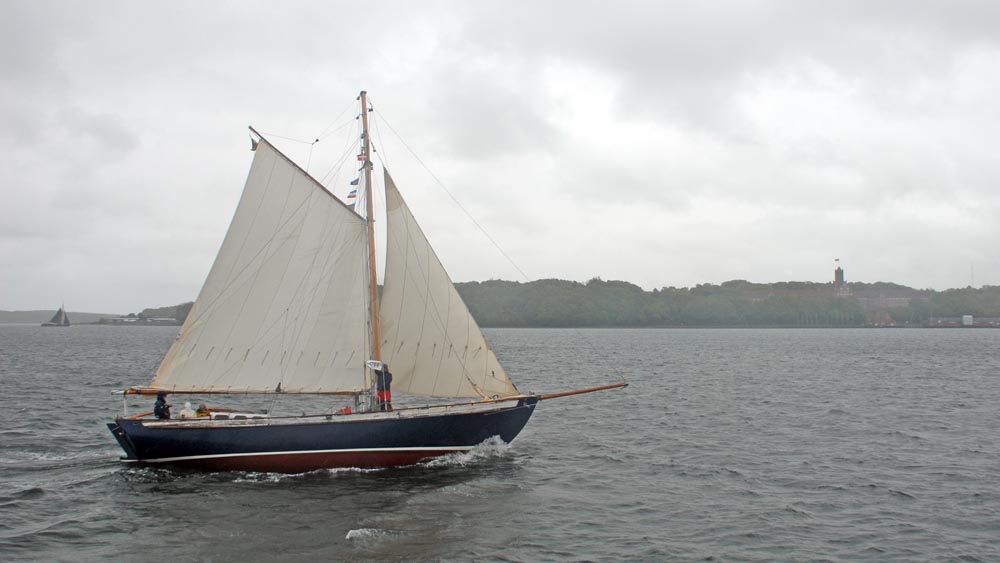
"Marie", she is a winner!
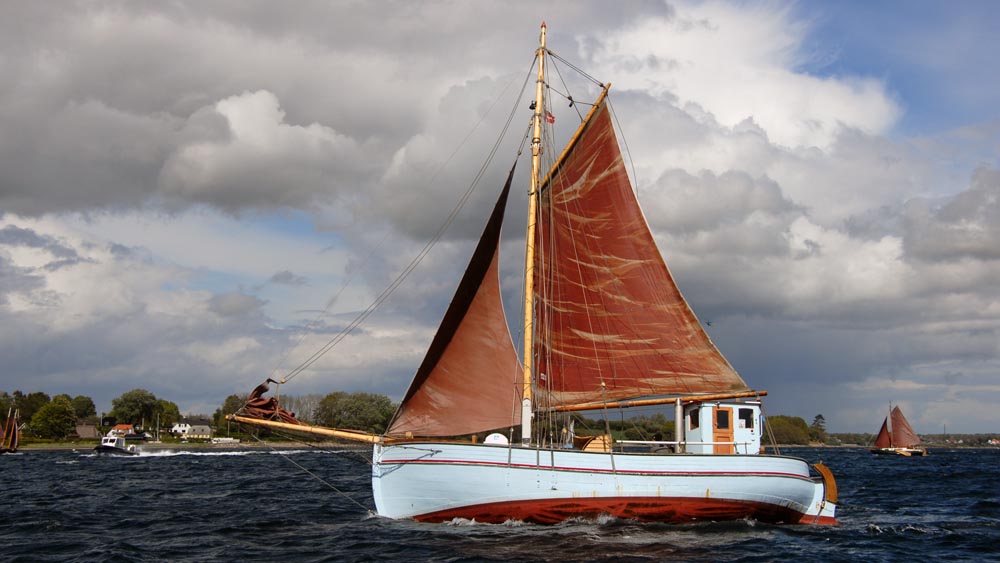
"Ilse", nicely traditional!
Traditional sailing in transition
The 2026 Rum Regatta also serves as an example of the challenges facing the traditional maritime sector in Germany as a whole. Like many such events, this sailing festival is contending with a decline in the number of participating sailing vessels. While the organisers were pleased to see around 70 vessels registered for the 2026 edition, the entry list was bolstered by a unique type of accompanying craft: Börteboote - traditional wooden workboats from the island of Heligoland. Although these boats do not carry sails, they possess a historical, functional background that is recognized as part of Germany's intangible cultural heritage. The plan had been for these boats to take passengers on board for short excursions during the Rum Regatta, but weather conditions unfortunately made this impossible. Nevertheless, the small group of dedicated boat operators received a warm welcome in Flensburg, and it is hoped that they will come again.
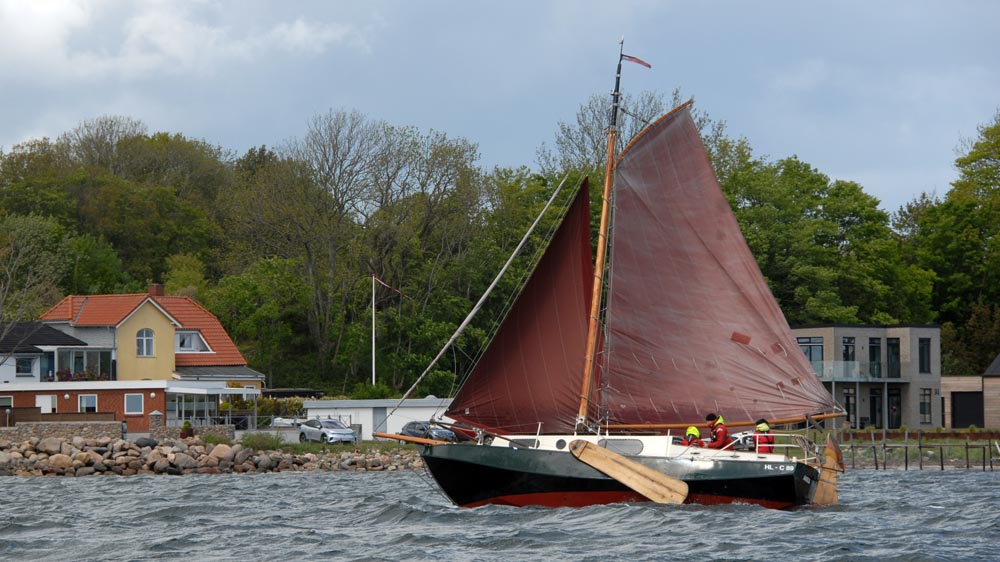
"Akka", joining for the first time in 2026
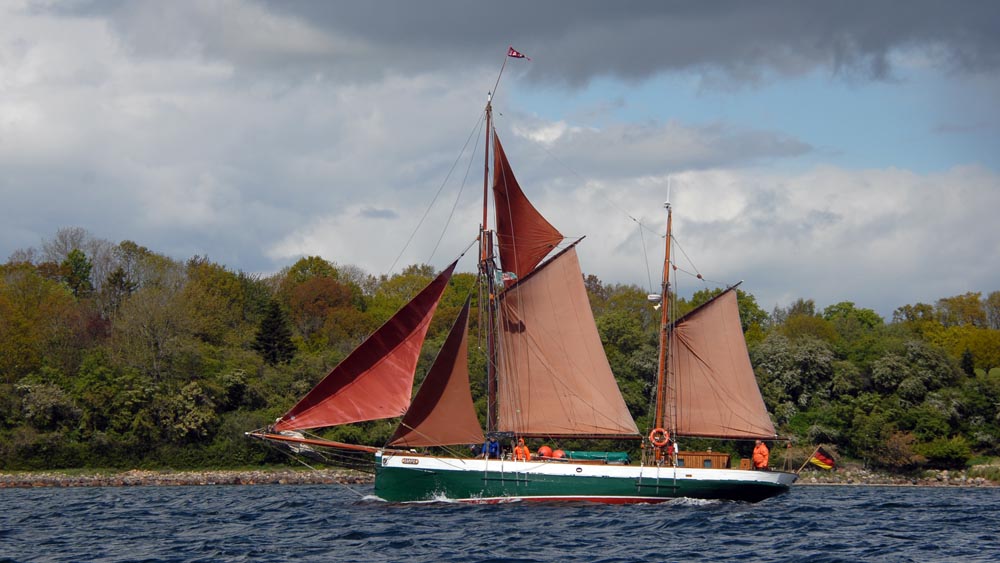
"Sampo" under sail
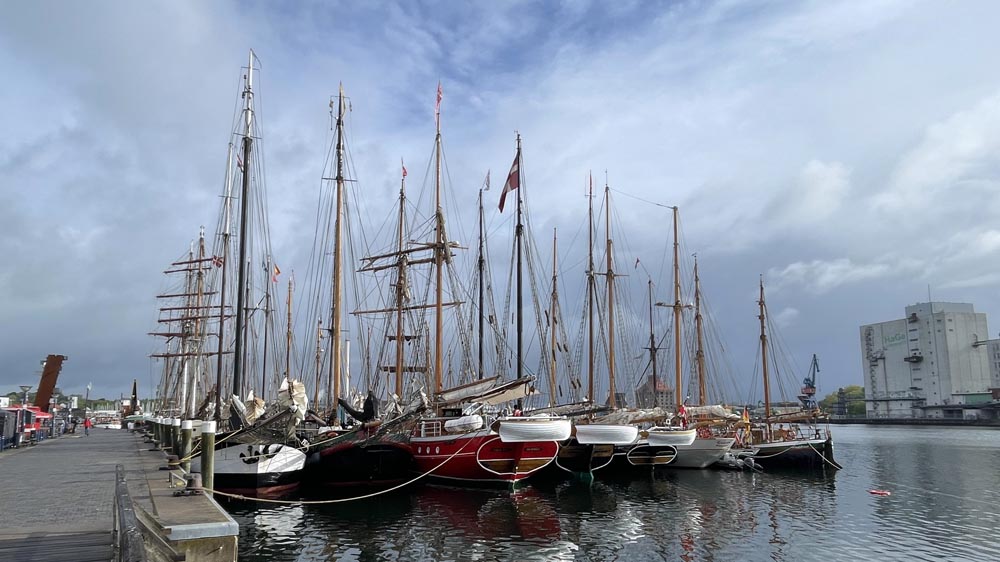
Traditional sailing vessels in Flensburg harbour
My conclusion: a regatta that is more than just a race
The 2026 Rum Regatta was not a year of records, but a year defined by steadfastness. Storms, rain, and cold, along with other challenging circumstances, could not break the community
of gaff-rigged sailors. The event proved once again that tradition does not thrive on numbers, but on the people who uphold it.
A maritime public festival - the weather is rough, the encounters are warm, and the commitment to tradition remains unshakable.
Loyal participants of the Rum Regatta – a look at the fleet
In the past, Flensburg used to promote itself with the superlative: "Northern Europe's largest event for gaff-rigged sailing vessels". I recall Rum Regattas that featured more
than 100 participating sailing ships. Quite apart from the fact that Flensburg's harbour currently could not accommodate that many vessels, those days are for the time being a thing of the past.
Instead of lamenting the absence of certain vessels, it is worth taking a look at those that are still sailing and have remained loyal to the Rum Regatta for years:
- the local favorites: Herring logger "Ryvar", Gaff ketch "Albin Köbis" and ...
- the Hajkutters: "Bodil", "Bolette" and ...
- Dutch sailing professionals: Klipper "Pegasus" and...
- Youth sailing crews: "Seestern", "Clara", "Nobile", "Melpomene", HF42 "Providentia" and ...
- Danish guests: "Lilla Dan", "Haabet", "Karoline Svane" and ...
- Premieres 2026: "Akka", "Frifararen" and ...
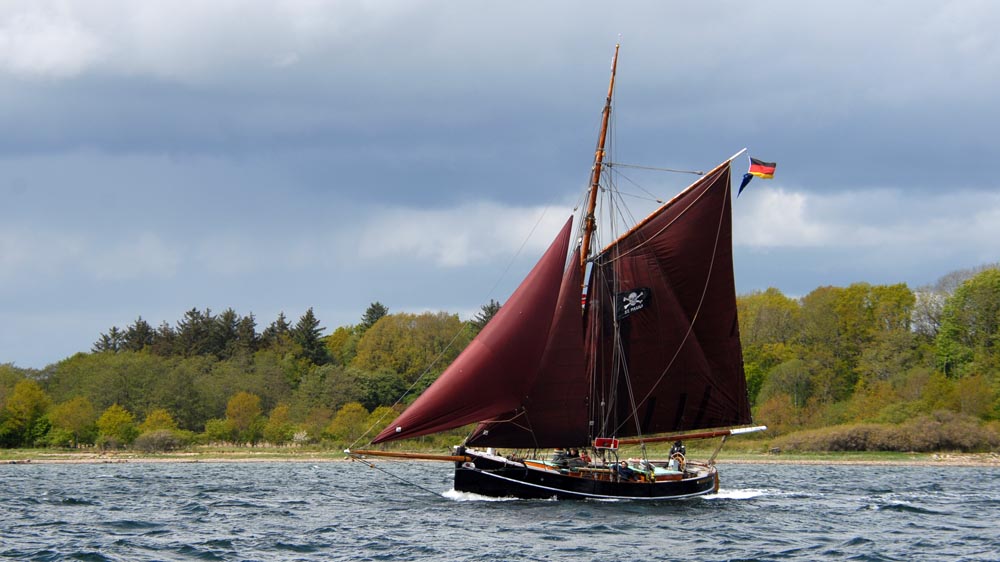
the Rügenwald cutter "Aurora von Altona"
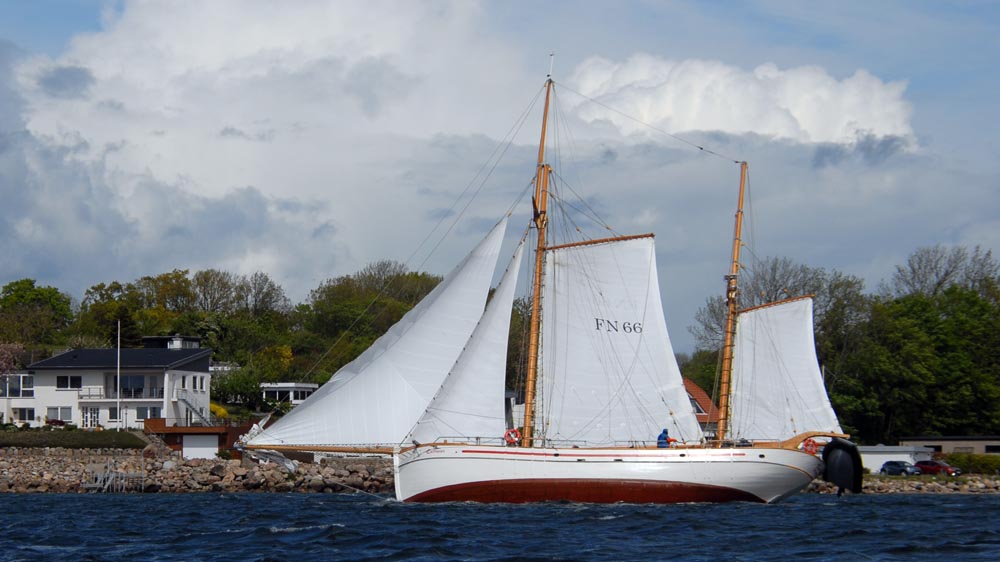
the Hajkutter "Carmelan"
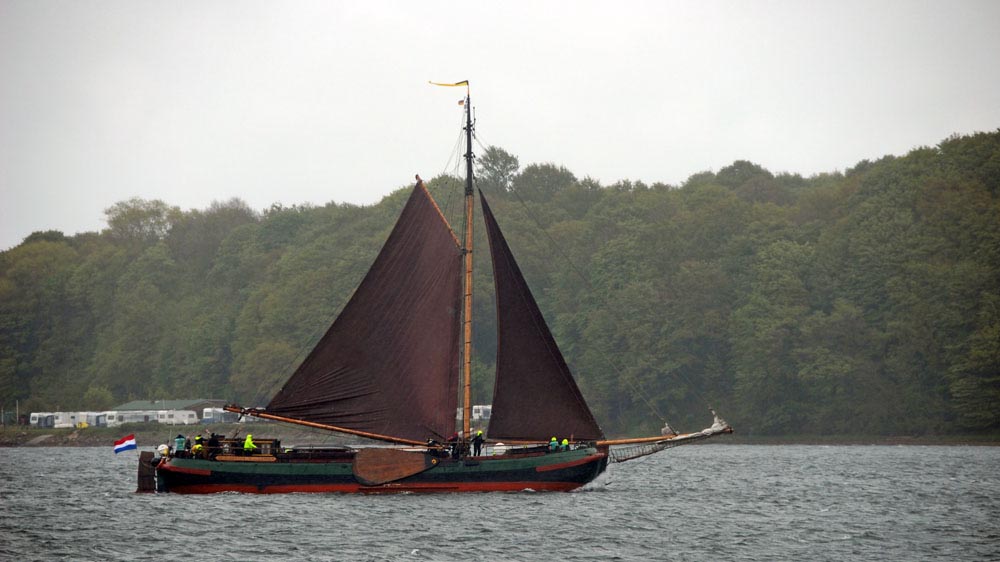
Groningen sea tjalk "De Albertha", Geweldig, heel erg bedankt voor uw loyaliteit!
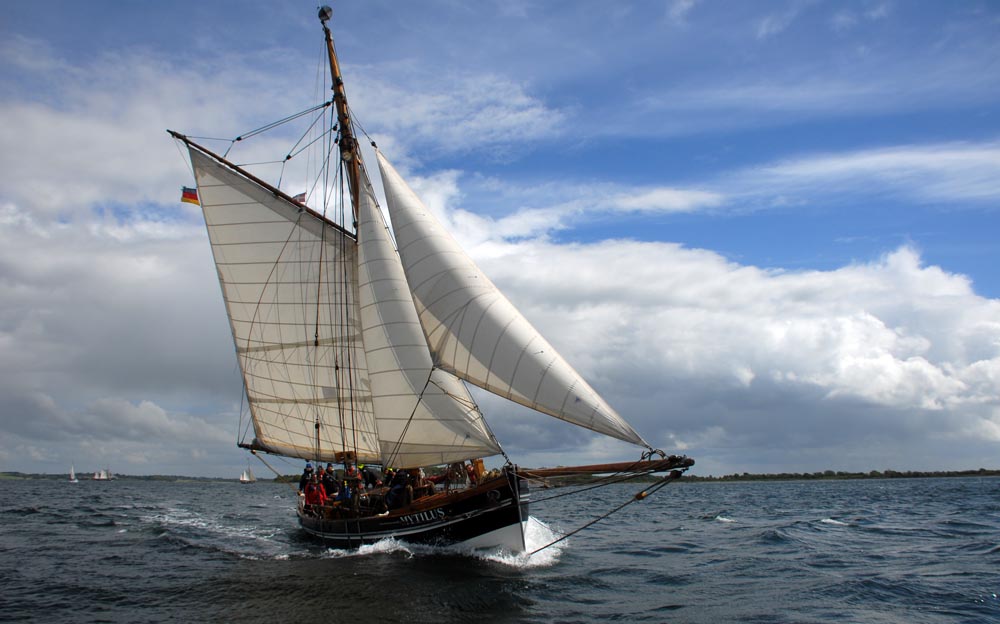
Gaff-rigged cutter "Mytilus"
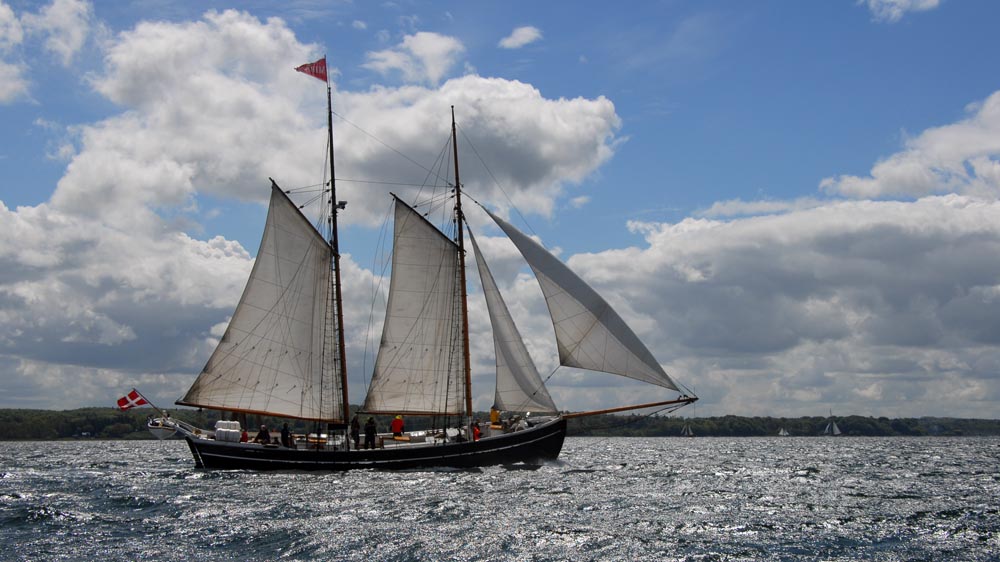
Schooner "Mira", Fantastisk, og mange tak!
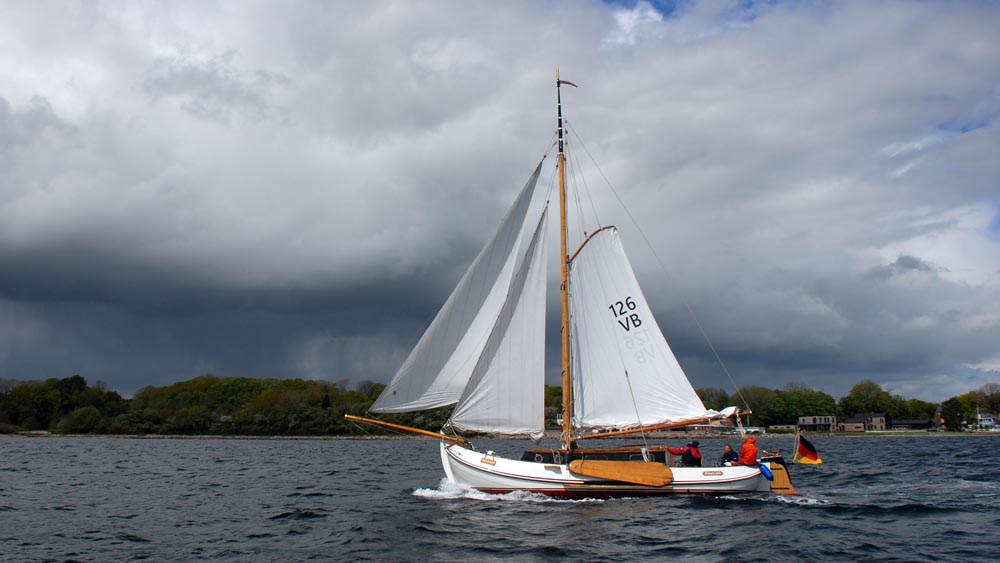
"D'Oare Wie" at the Fjord Regatta 2026
I cannot name them all, but this diversity shows that the Rum Regatta remains a living piece of maritime culture - despite all the challenges.