
Last update:
27th Small Fischland Regatta with harbour festival in Wustrow
The name is misleading. Judging by the number of participating wooden boats, this event is perhaps the largest of its kind on our coast. However, relatively small are the participating boats in the region, where the larger Zeesenboate are usually found.
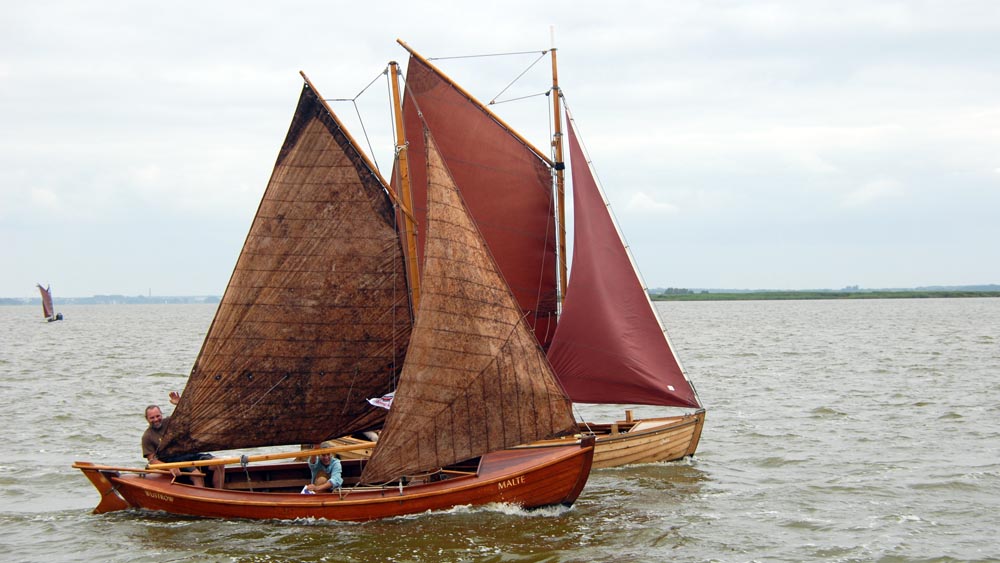
Small Fischland Regatta 2025
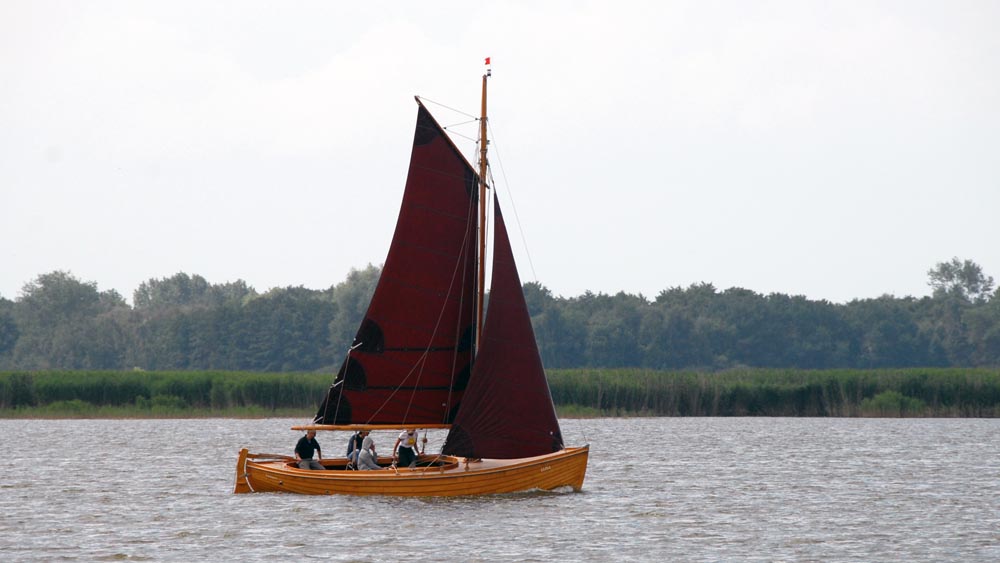
"Elisa"
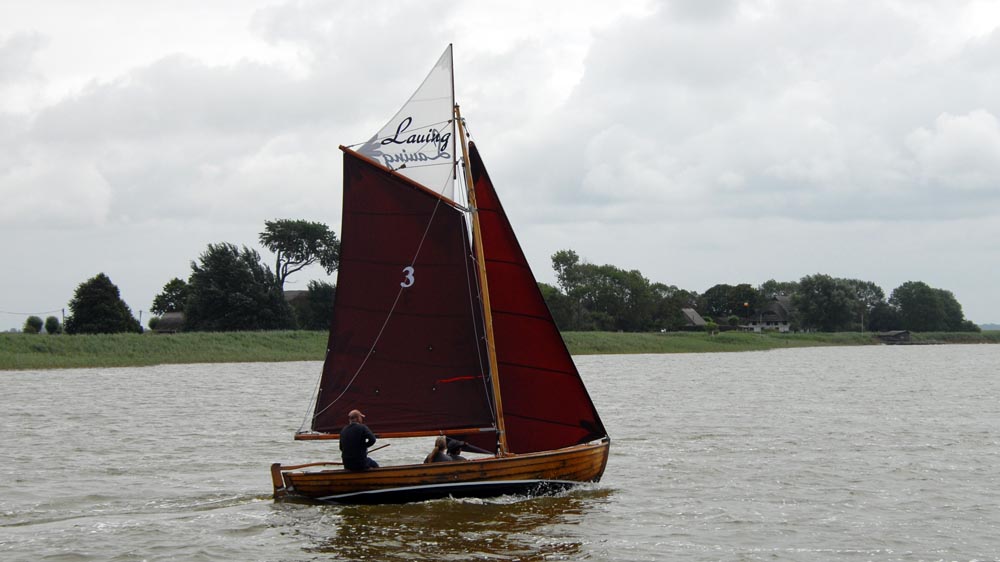
"Lauing"
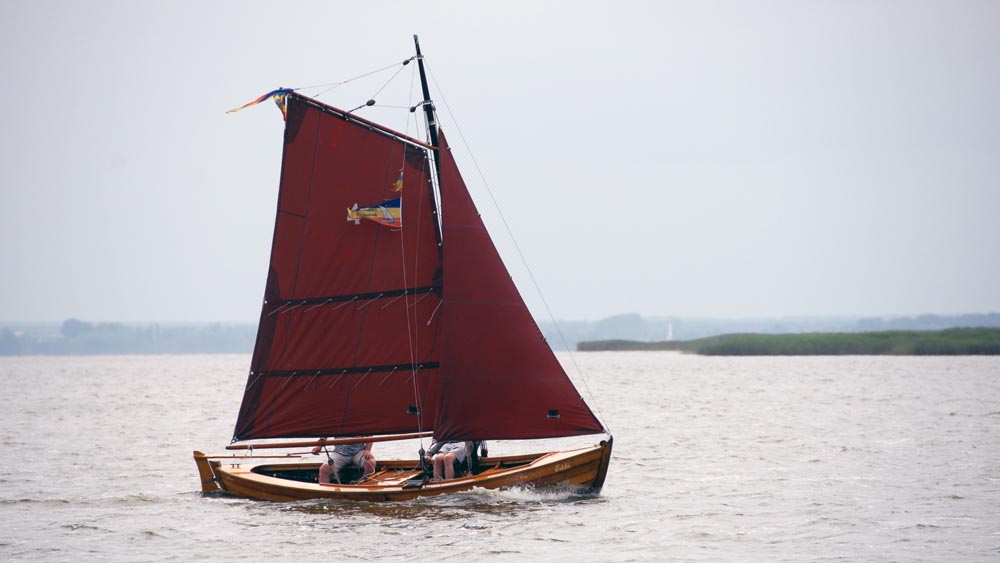
The appeal of this event extends far beyond the waters of the Darß/Zingst peninsula. For example, in 2025, guests from Schleswig-Holstein and from the Kashubian coast of Poland were also present. A total of 37 original or replica former working boats used for fishing or small cargo transport in the region competed in the regatta. A colourful scene unfolds for the spectators as the participants gather in the Wustrow harbour basin before the start and then set off in small groups of boats. The regatta course was laid out, as usual, directly in front of the harbour, giving me the opportunity to experience the action up close from the boardwalk. The start, turning buoy, and finish line were located almost directly in front of the boardwalk's end. The regatta was commented by a commentator who knows the boats, the participants, and the event, and can provide a wealth of information.
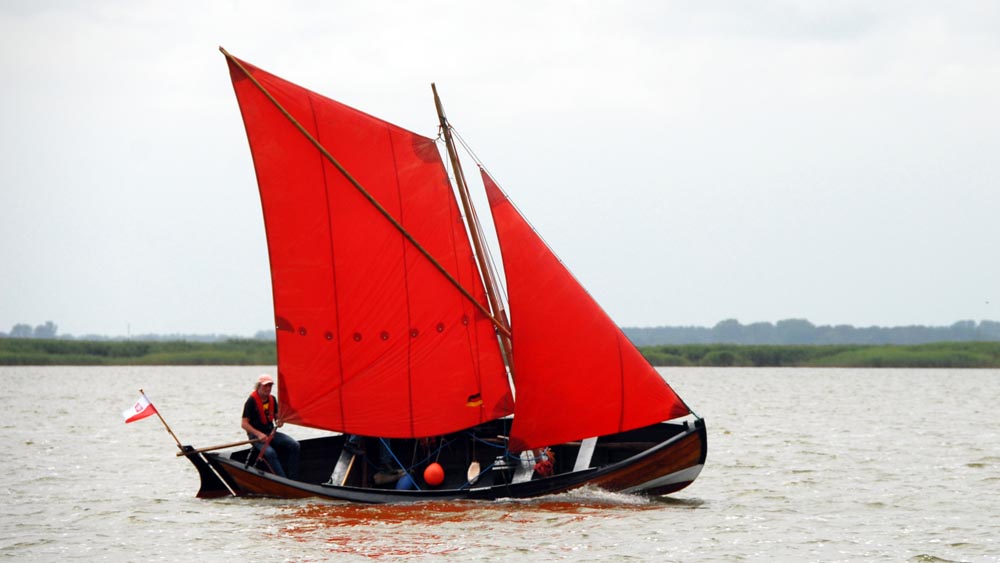
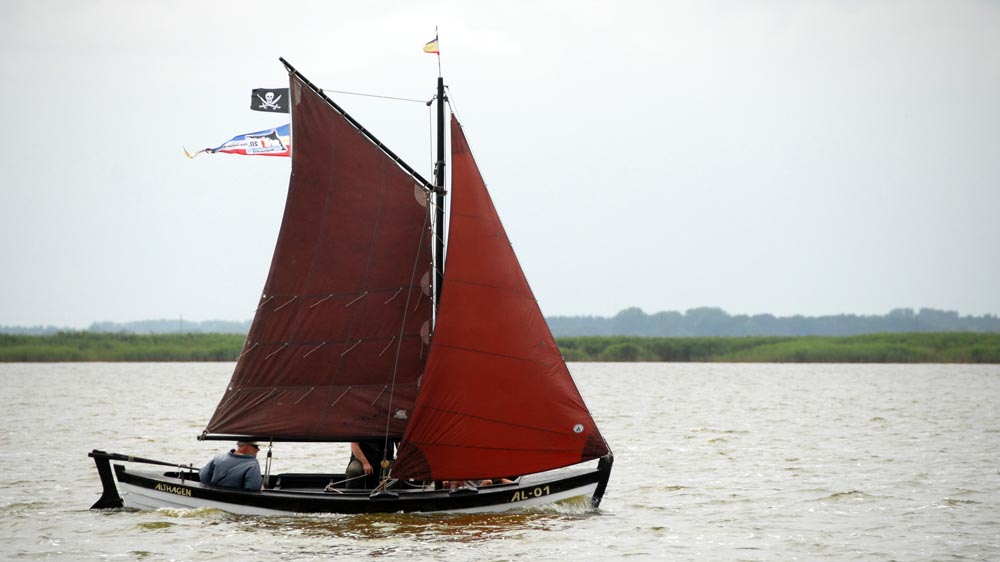
There was plenty of activity on land as well: the harbour festival attracted visitors with market stalls and live music. About 7 p.m., I witnessed the awards ceremony. Each crew was called up and honoured simply for their participation. Challenge trophies, such as one for all the newcomers, the "Peddler" prize for the youngest regatta participant, and the "I'm Learning to Sail" handbook for the slowest boat were presented. Afterwards, there was a celebration, and because the weather was perfect, the boats in the harbour could be atmospherically illuminated with spotlights.
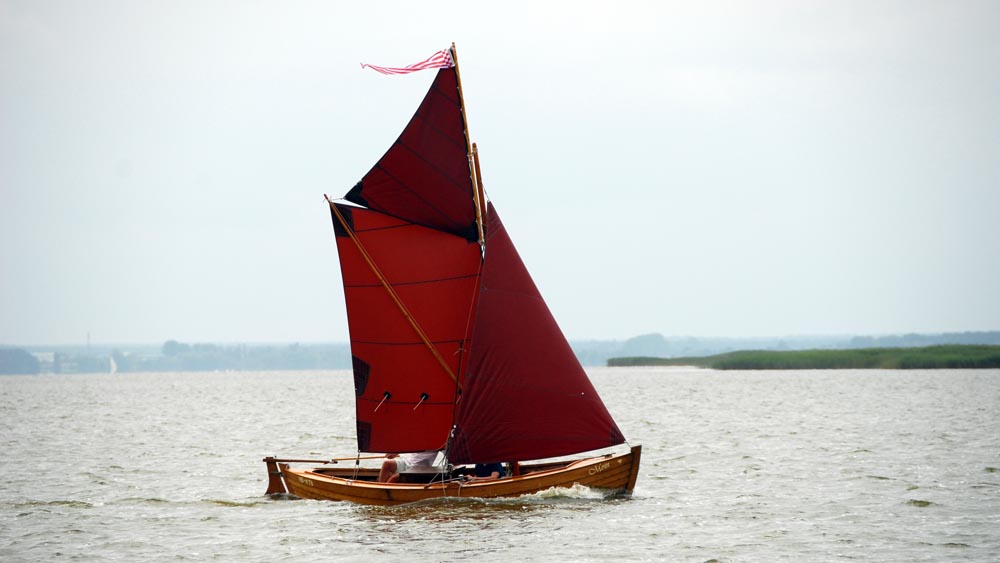
"Moin"
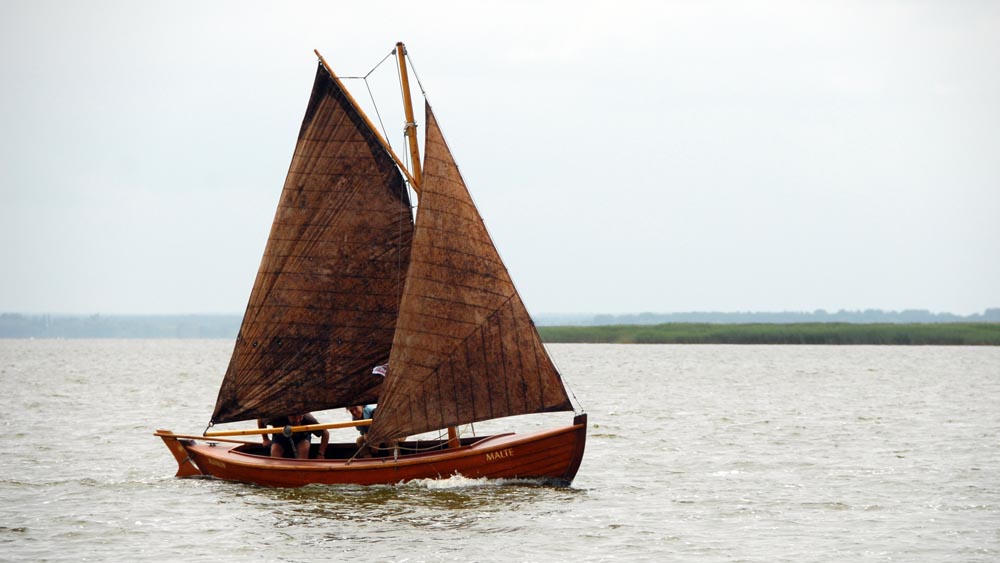
"Malte"
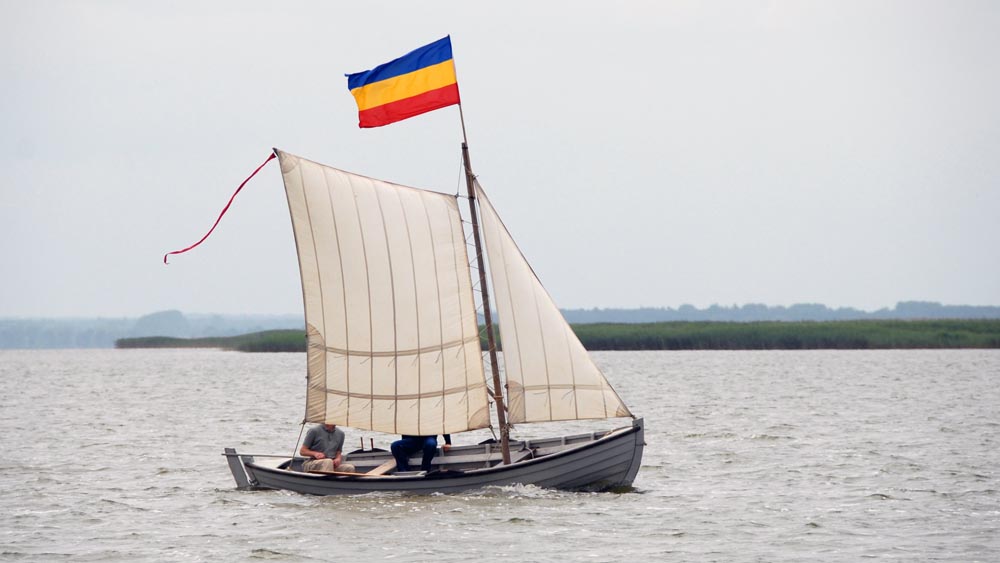
"Min Lütten"
The "Holzbootfreunde Fischland" (Fischland Wooden Boat Friends) association is dedicated to the preservation and maintenance of the boats. The association, in
cooperation with the Wustrow Baltic Sea resort's tourism office and with the support of the Wustrow branch of the German Maritime Search and Rescue Service (DGzRS) and the
Fischland Sailing Club (FSC), also organises the regatta.
That I finally managed to be here in 2025, between several trips and the Hanse Sail Rostock, was a stroke of luck that I would like to experience again.
Holzbootfreunde Fischland e.V.
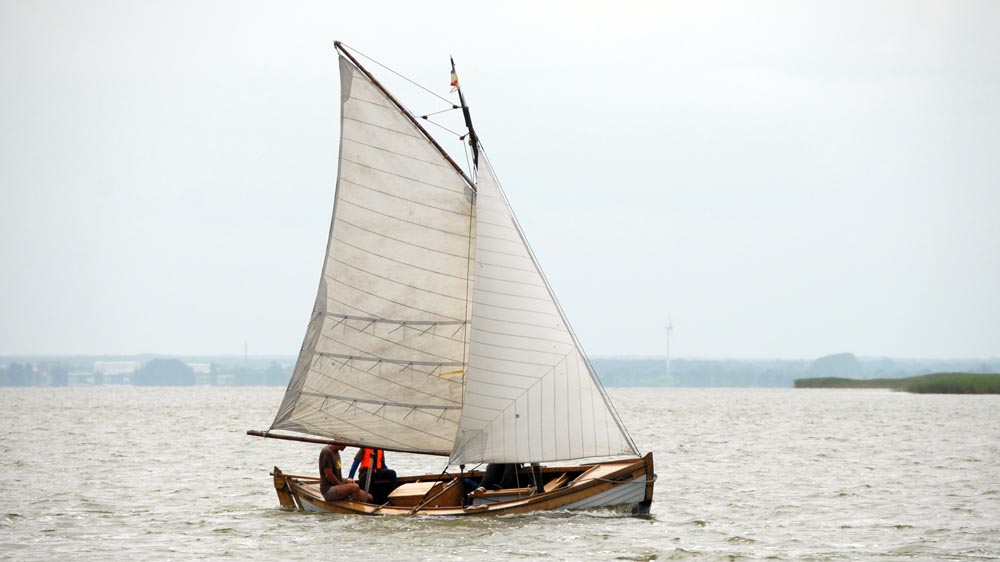
"Tinchen"
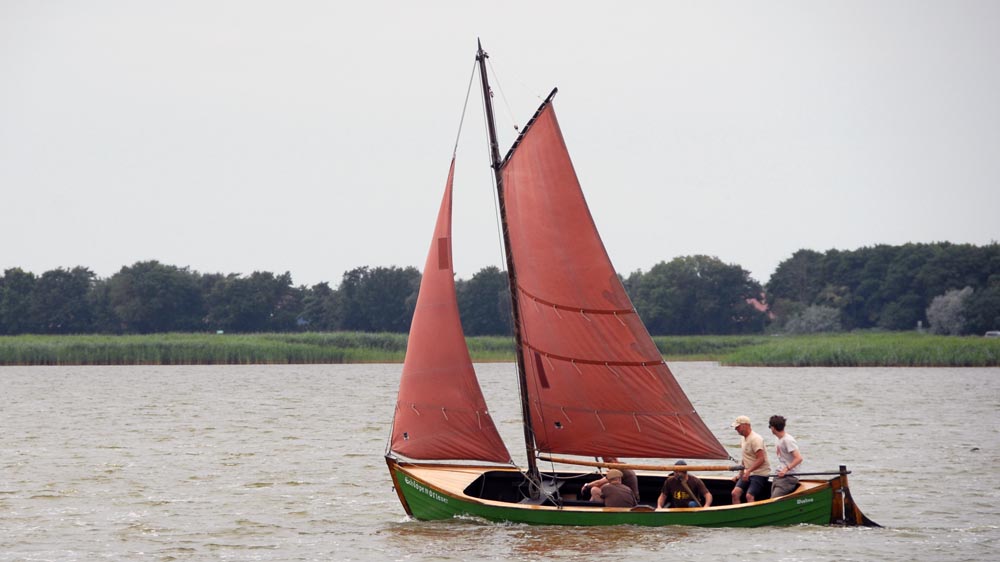
"Schlöpendriewer"
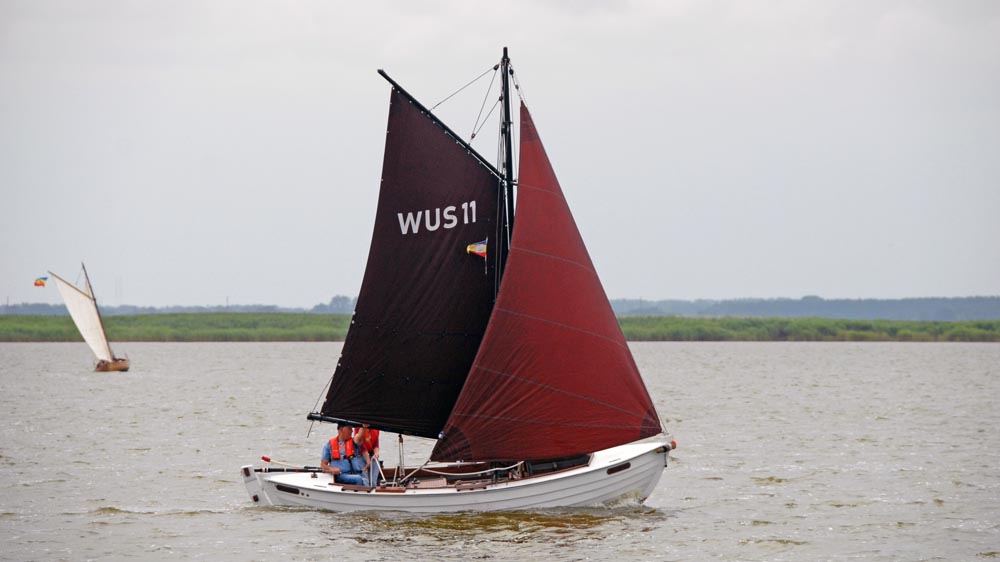
"Tilsche"
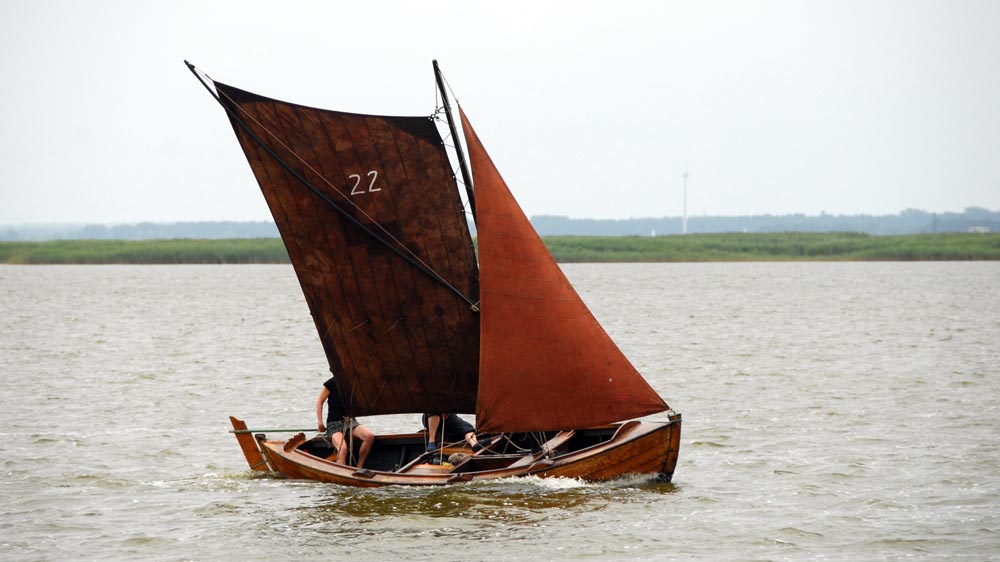
"Min Drom"
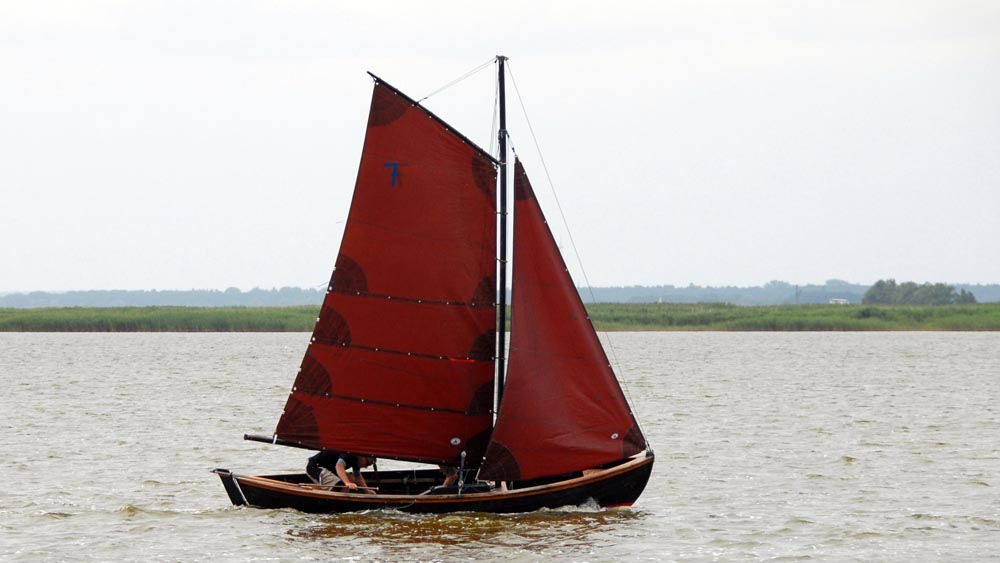
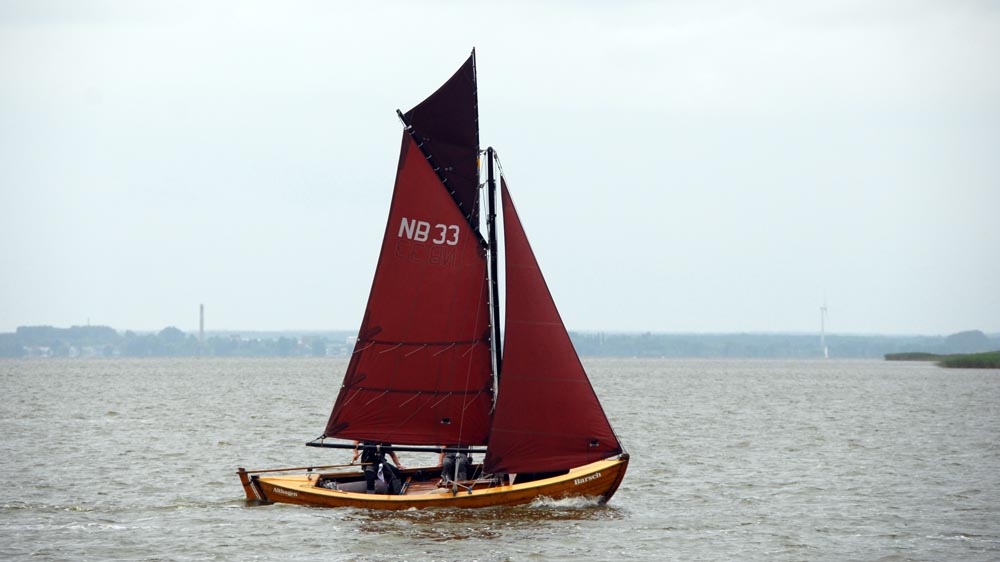
"Barsch"
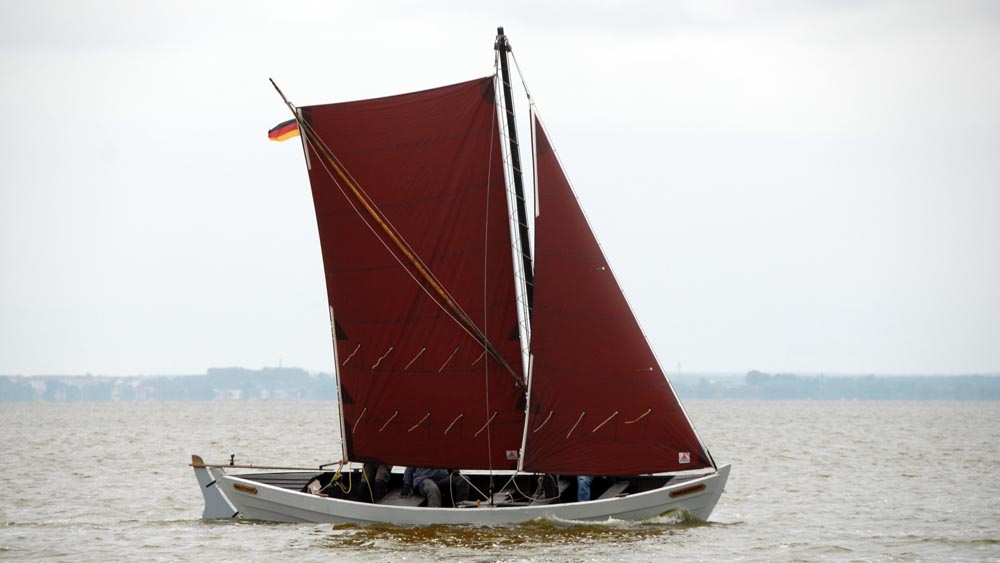
"Dwarskopp"
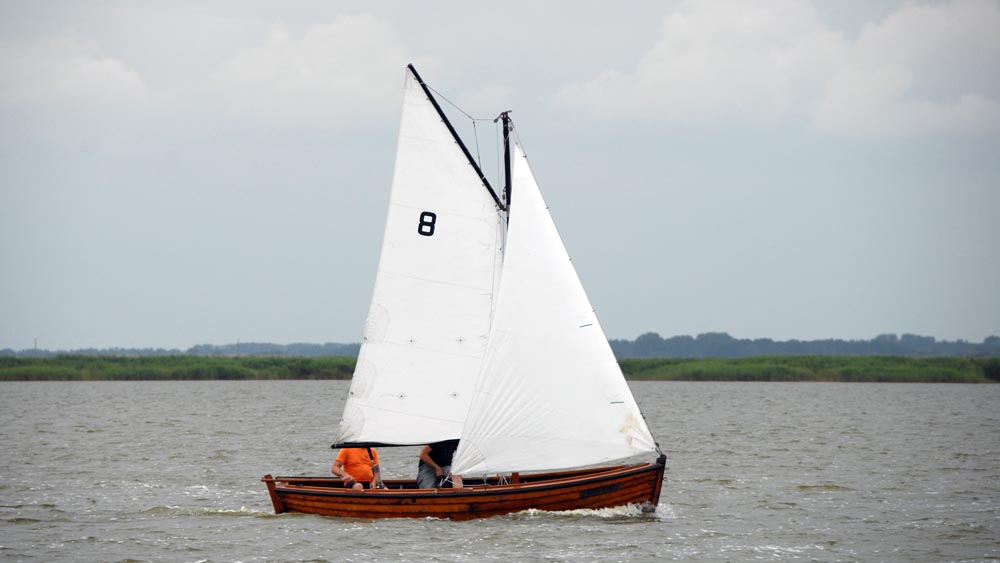
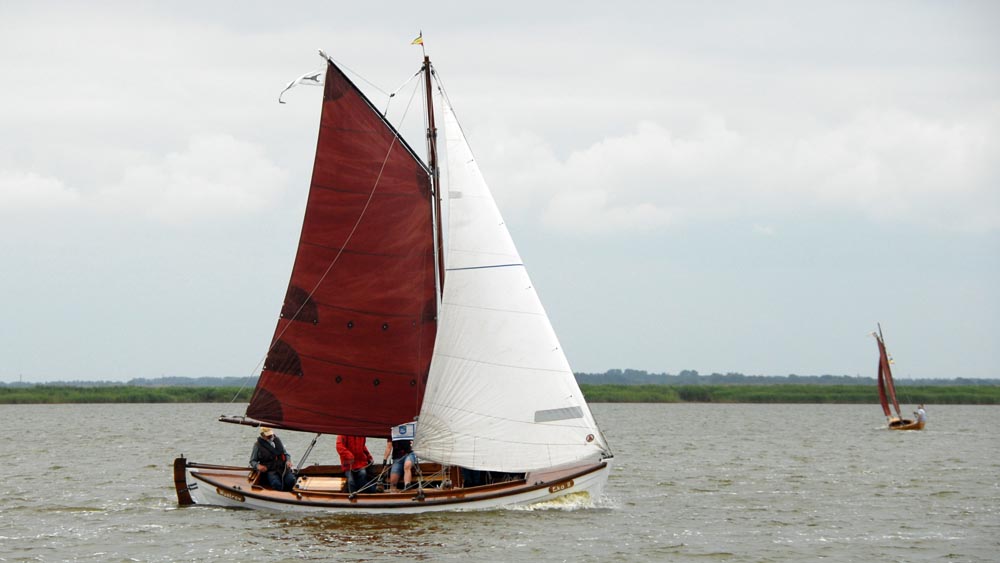

"Adeltraut"
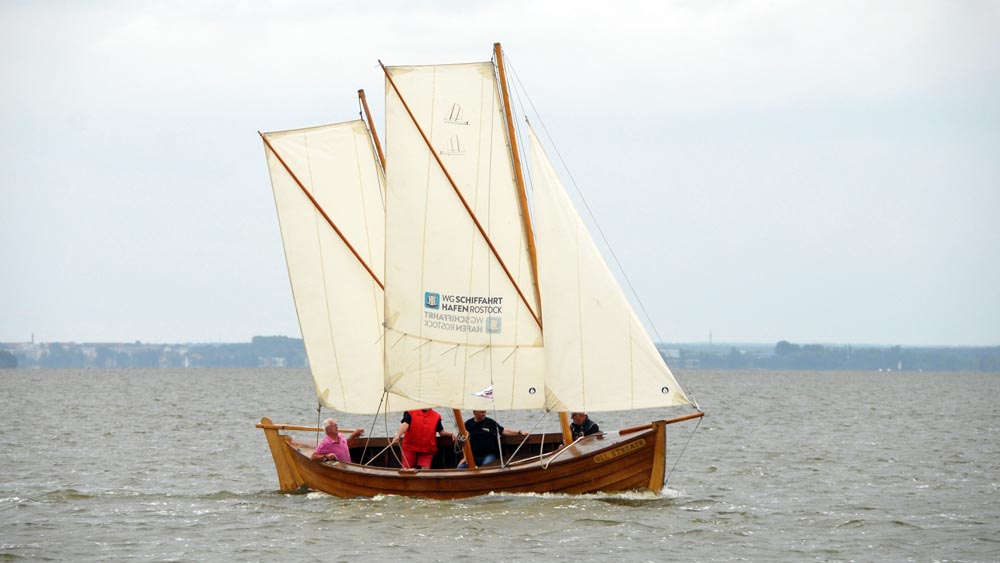
"Oll Stromer"
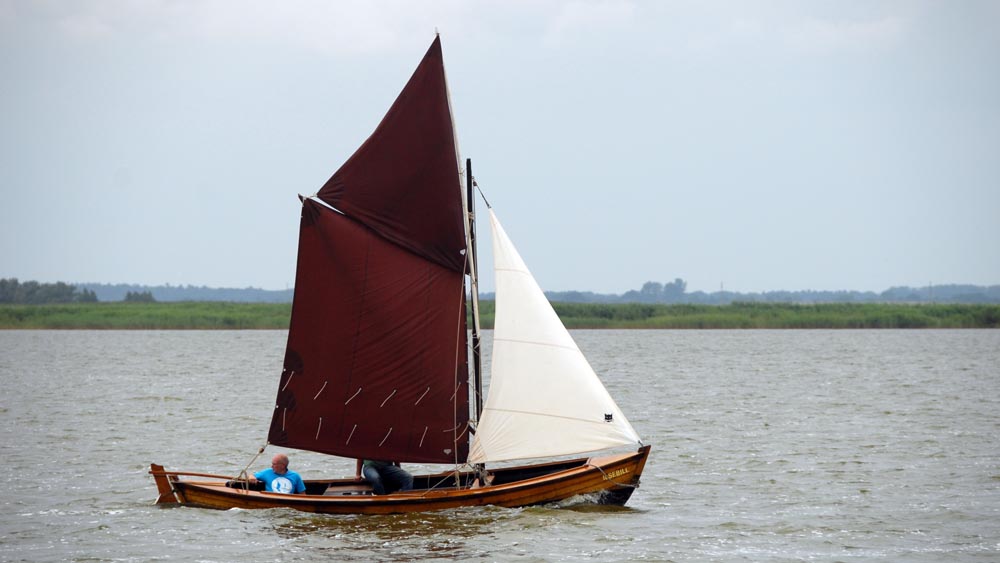
"Ilsebill"
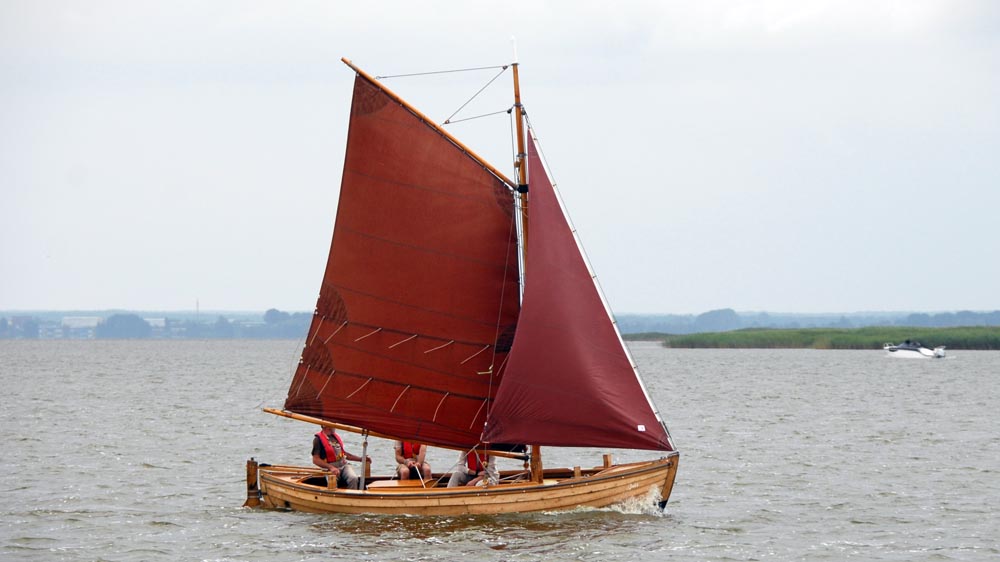
"Jule"
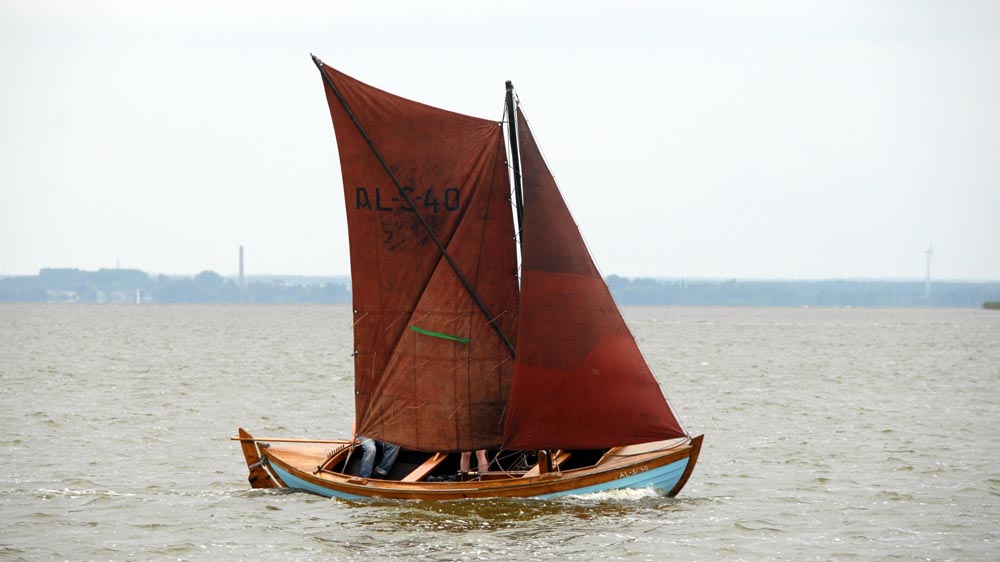
"AL-S-40"
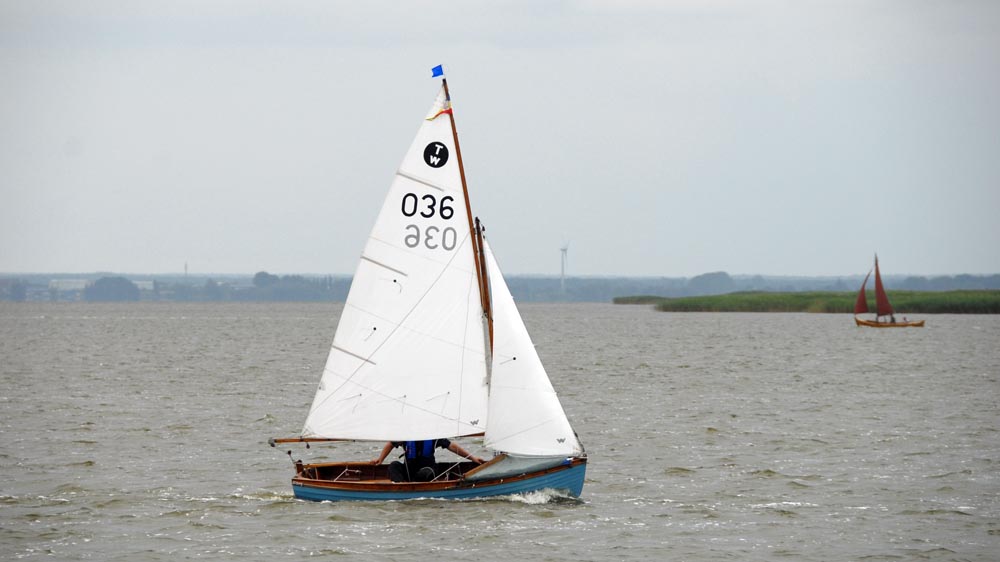
"Dina H"
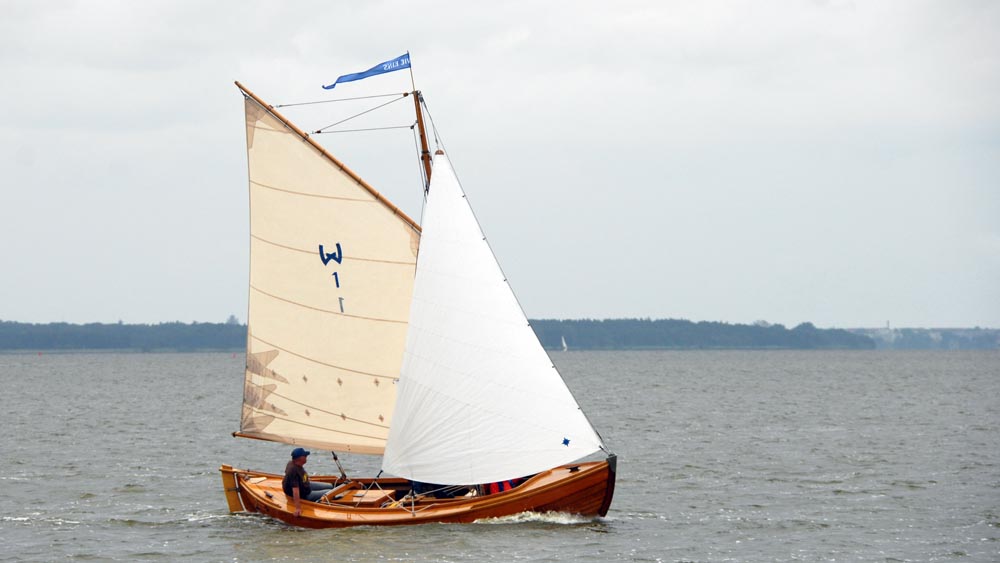
"Wie Eins"
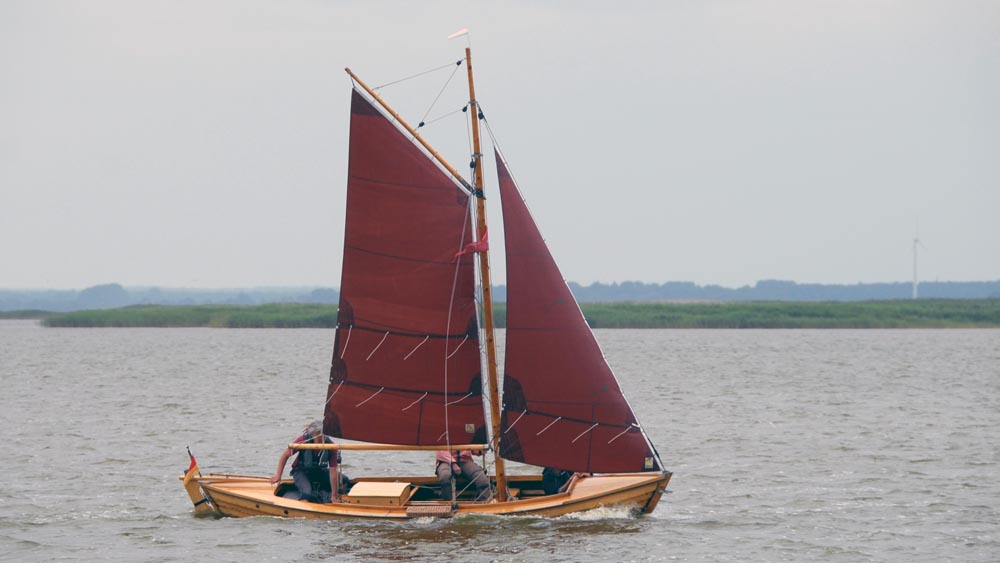
"Gerippte"
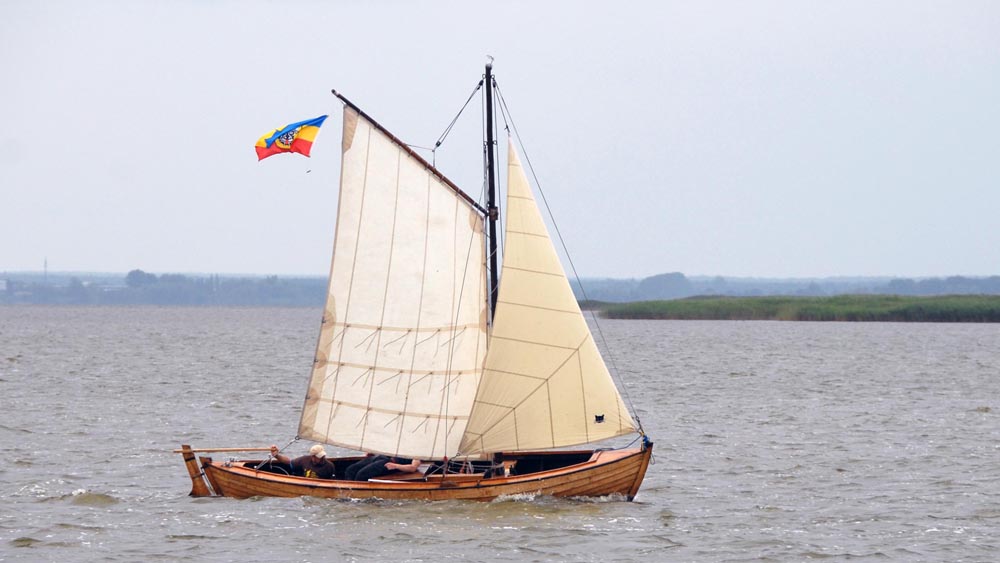
"Clara"
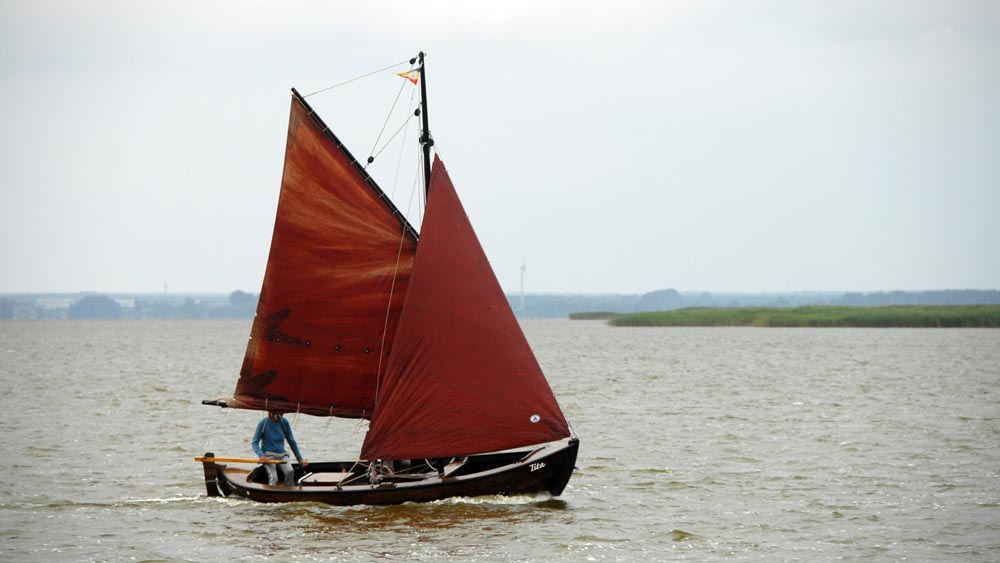
"Tita"
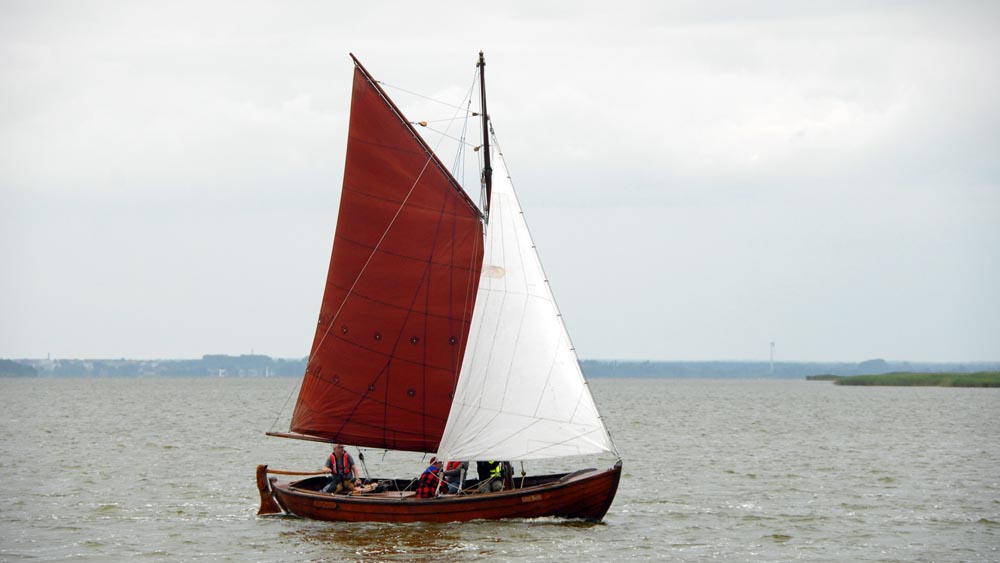
"Lütt Butt"
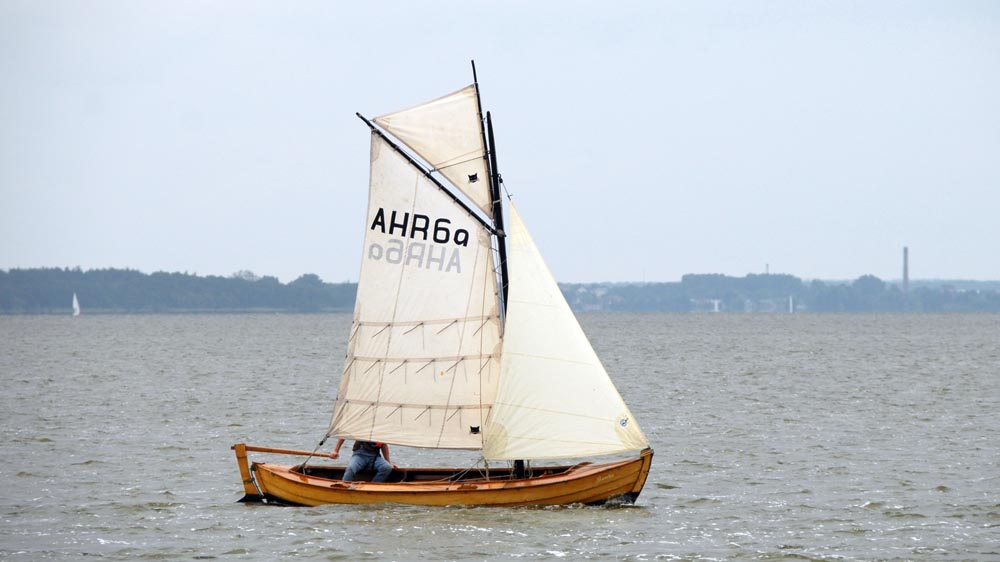
"Suntje"
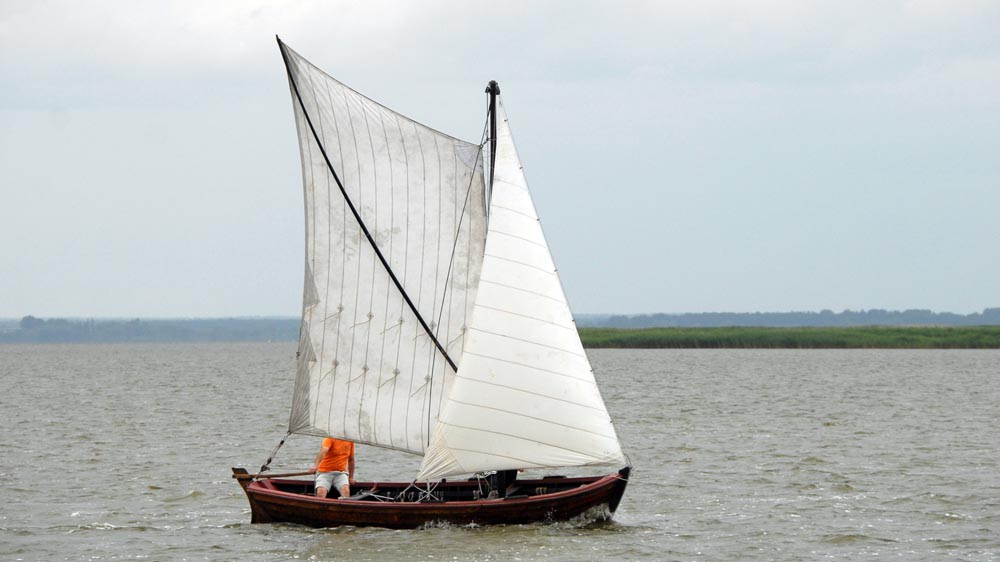
"Dwarslöper"
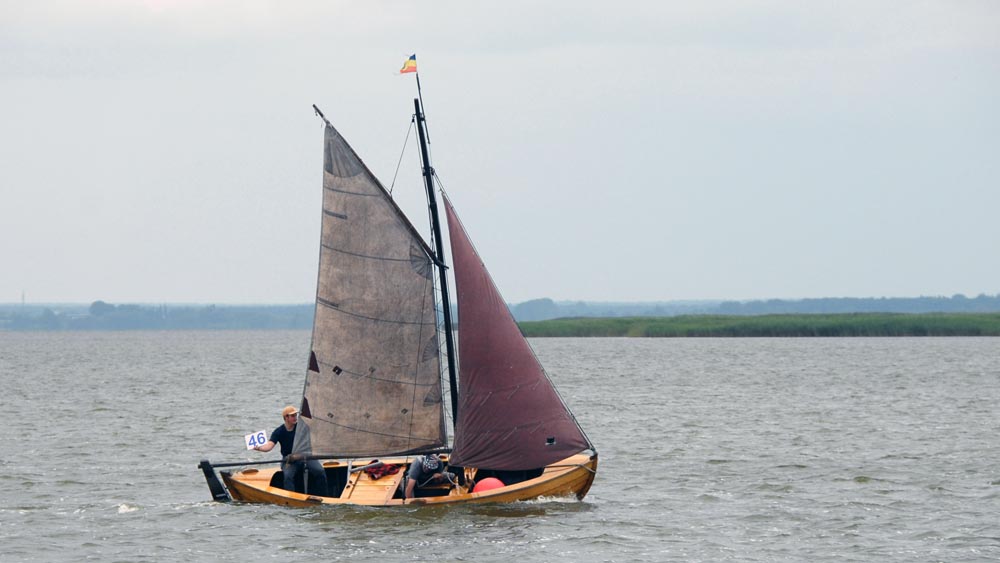
"Poeler Jolle"
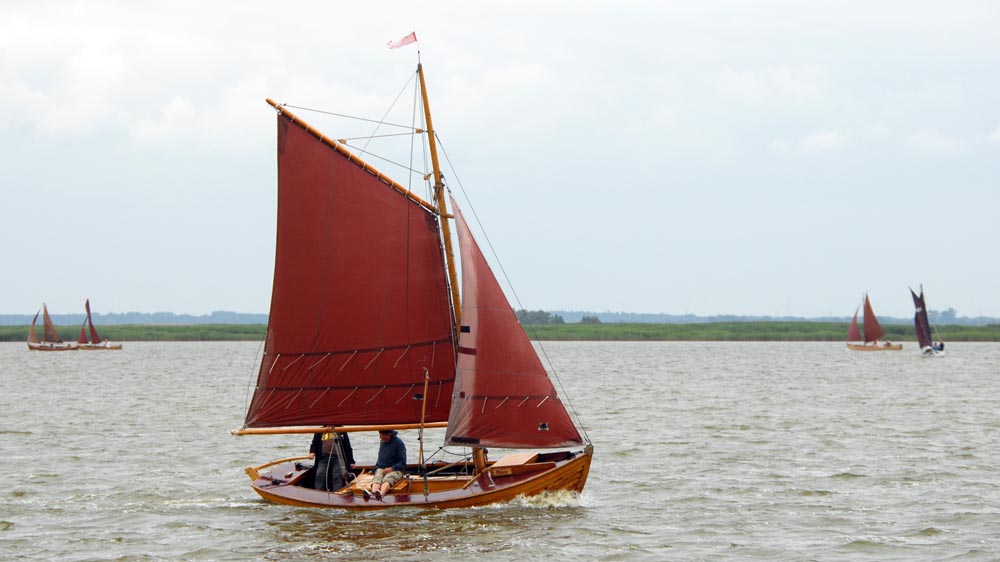
"Rante"
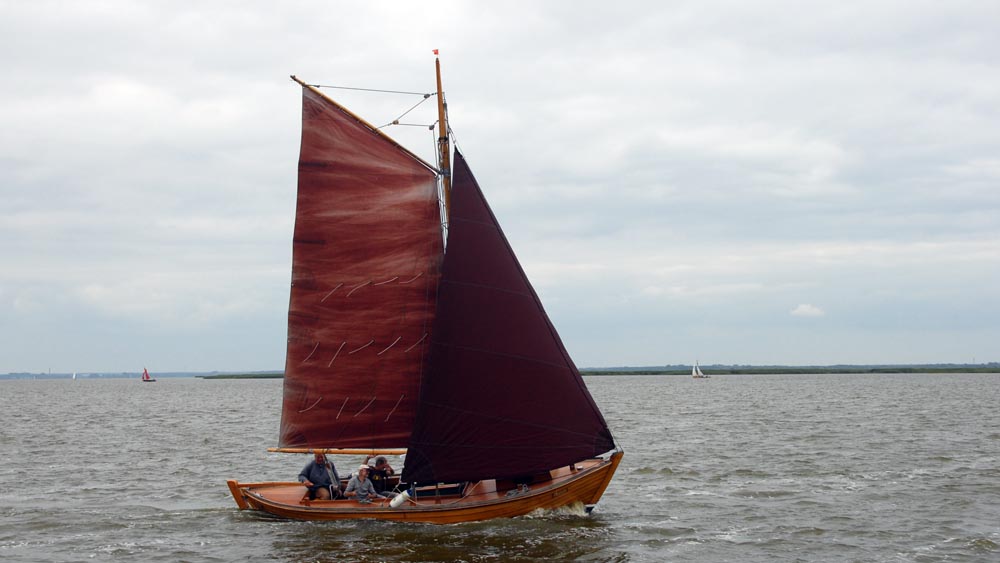
"Rasputin"
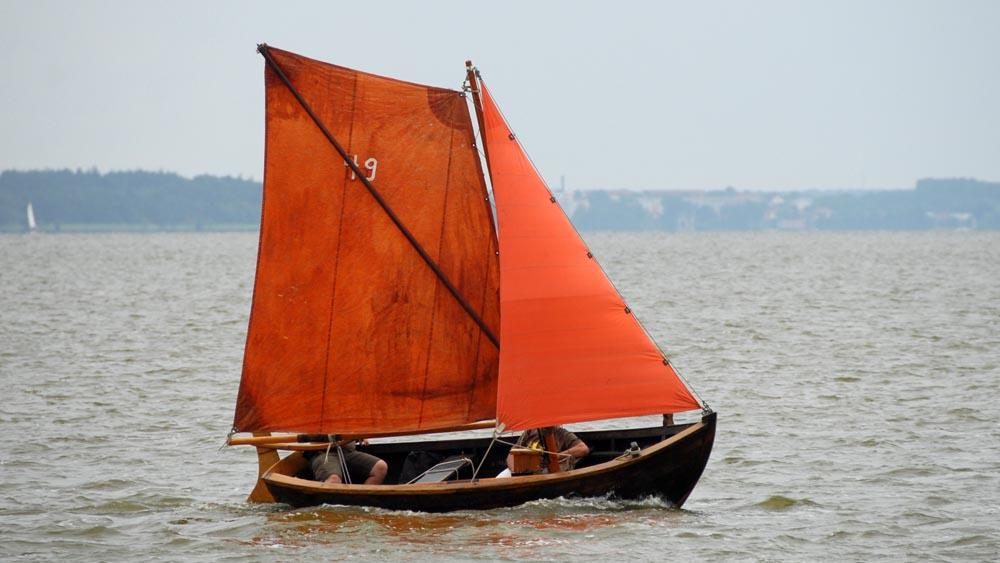
"Boot ohne Name (BoN)"
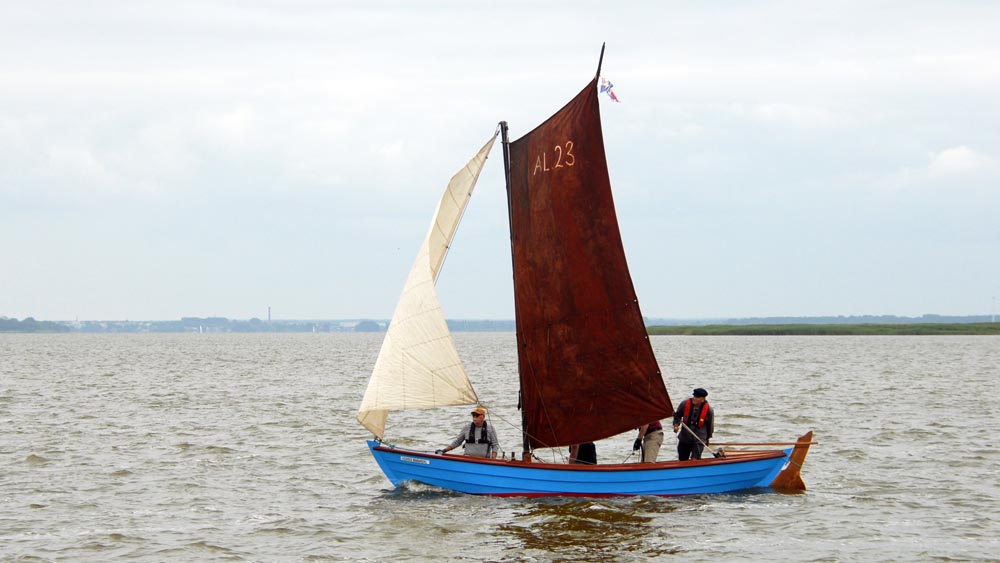
"Heinrich Bradenkuhl"

"Plümper"
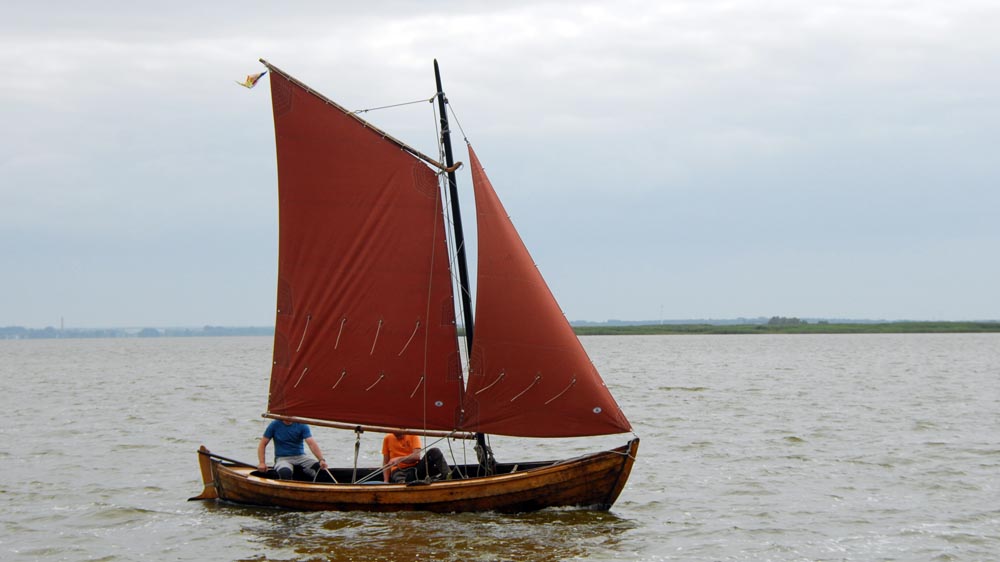
"Noek"
Information about the boat types
These boats, many of which were formerly used in fishing, are more than just small watercraft for the personal enjoyment of individual sailors. They represent a piece of cultural and technological history and a piece of regional identity. The passion for preserving or rebuilding them and then sailing them is an integral part of this, as it is the only way to maintain the knowledge and skills involved in handling these boats. Researching the origin and history of the use of these former workboats is fascinating as well, although the knowledge is never truly complete. It is also not always easy to accurately identify the type of a boat at first glance or from a photograph. This involves considering the boat's construction and its specific use. With smaller wooden boats, unlike traditional Zeesenboats (a type of fishing boat), the defining characteristic is not the rigging, but rather the construction of the hull.
What is a so-called Heuer?
This type of boat is numerous among the wooden boats still sailing on the coast of Mecklenburg-Western Pomerania. Typical features include a slender hull with a pronounced sheer and a high, upturned bow and sternpost (beam stem). Several narrow planks were used for the hull construction, either clinker-built or carvel-built. Today, these boats are both rowed and sailed. When sailing, either retractable or centerboards are used. The rig is a gaff rig without a boom or a spritsail rig.
What is a so-called Polt?
A Polt has a flat bottom, a block bow, and a pointed or transom stern, and it was constructed from relatively few planks only, usually only two or three. The hull has only a slight sheer, which makes it appear comparatively massive. Polts from the island of Rügen were hard-chine boats with a trapezoidal hull cross-section. The Polt was mostly rowed or poled and rarely sailed. It was used for small-scale fishing, but often also for transporting cargo.
What is a so-called Warnemünder Jolle?
The half-dinghies or full-dinghies native to the mouth of the Warnow River (Warmenünde) had a keel, a clinker-built hull, beam-shaped stems, and a pointed stern. Depending on their length, they were distinguished as single-masted half-dinghies or two-masted full-dinghies. The Warnemünder Jolle was formerly used in fishing, pilotage, or for sailing trips with bathers.
What is a beach boat respectively net boat?
This term refers more to the use than the construction of the boats. Fishermen in the coastal region fish, among other things, with gillnets. To deploy, check, or retrieve these nets, which are anchored locally in the fishing area, fishermen needed small, maneuverable, and easy-to-handle boats. In earlier times, such boats were made of wood, were sailed or rowed, and were kept on the beach or in the reed beds when not in use.
What information sources are available on this topic?
Wolfgang Rudolph: "Segelboote der deutschen Ostseeküste", Akademieverlag Berlin 1969; Vol. 53
Helmut Olszak: "Von Polten und Quatzen: Pommersche Fischerei- und Händlerfahrzeuge", Eigenverlag Michael Sohn, 2016, ISBN 978-3-00-052098-3
Helmut Olszak: "Hölzerne Fischereiboote der südlichen Ostseeküste: Vermessene Relikte und rekonstruierte Zeitzeugen", Hardback edition, Eigenverlag Michael Sohn, Mai 2020, ISBN 978-3-00-044904-8
Hermann Winkler: "Alte Boote unter Segeln", Hinstorff Verlag 2018, ISBN 978-3-356-02167-7
Polte (Bootstyp): Wikipedia [online], retrieved on November 27, 2025, https://de.wikipedia.org/wiki/Polte_(Bootstyp)
Strandboot: Wikipedia [online], retrieved on November 27, 2025, https://de.wikipedia.org/wiki/Strandboot